
 By admin
The luxury watch industry is currently navigating a complex discourse regarding the duration and efficacy of product development cycles, a topic recently brought to the forefront during discussions at Dubai Watch Week. Central to this debate is the tension between the multi-year timelines traditionally claimed by heritage manufactures and the market’s increasing demand for agility and aesthetic boldness. While brands frequently cite five-to-seven-year development windows as a hallmark of quality and technical rigor, industry analysts and collectors are increasingly questioning whether these lengthy periods result in genuine innovation or merely produce "anodyne" products that fail to resonate with a modern audience.
The Catalyst: Dubai Watch Week and the Development Debate
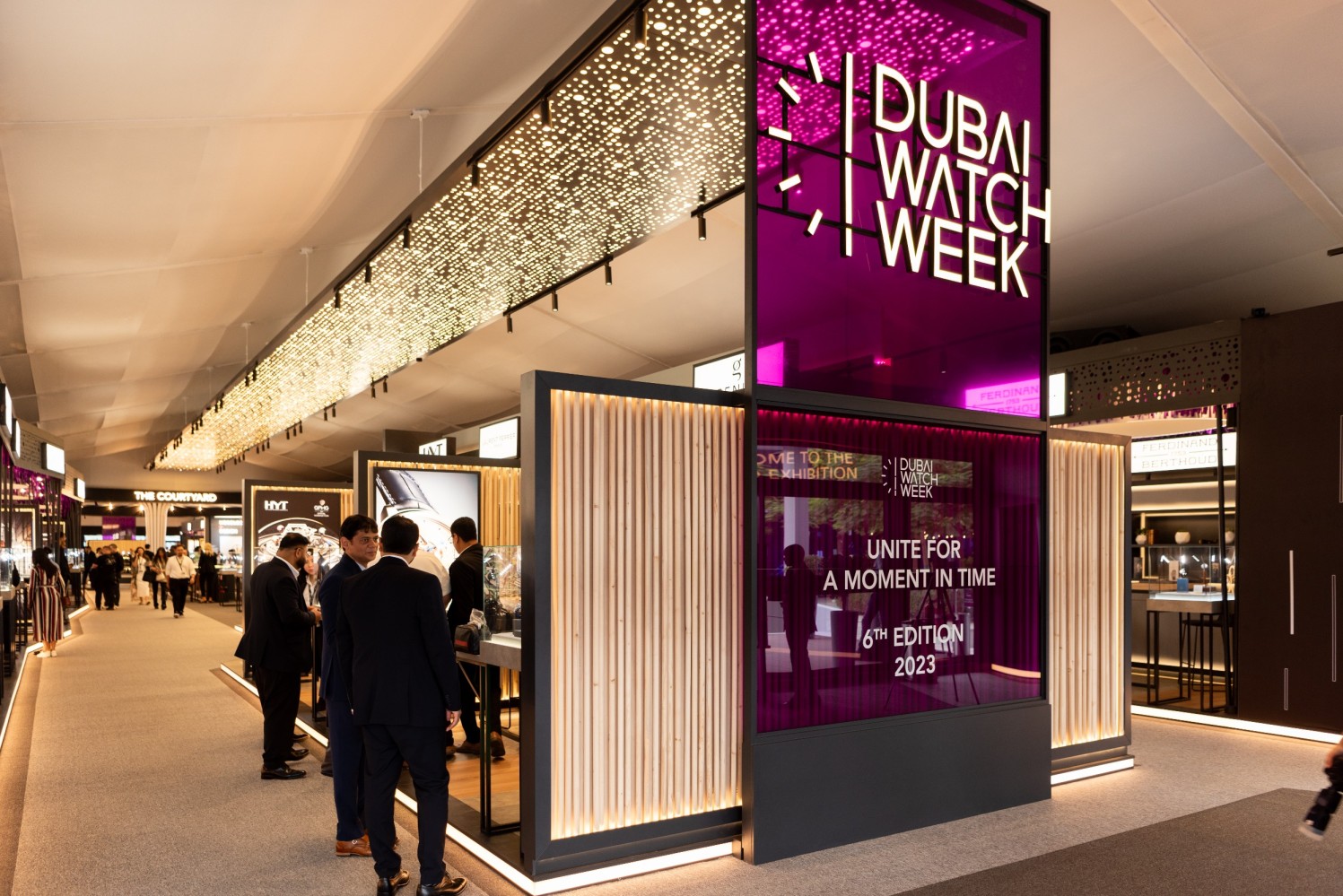
Dubai Watch Week, an event founded in 2015 by Ahmed Seddiqi & Sons, has become a premier global platform for high-level horological discussion. During a recent panel, industry figures including YouTube personality Nico Leonard and WatchPro Editor Rob Corder engaged in a dialogue that challenged the industry’s reliance on long-term planning. The core of the argument suggests that while technical advancements—such as new complications, improved power reserves, or innovative case architectures—require substantial engineering time, the marketing of these timelines can sometimes serve as a shield for lack of creativity.
The conversation highlighted a significant divide in the industry: the difference between a "divisive" watch and a "boring" one. In a market saturated with annual releases, a watch that sparks heated debate among enthusiasts is often viewed as more successful than one that is technically proficient but emotionally flat. This perspective suggests that the "tyranny of novelty," a phrase attributed to the late Luigi Macaluso of Girard-Perregaux, forces brands to release products at a pace that may be incompatible with the slow, deliberate nature of traditional watchmaking.
Chronology of Development: From Concept to Wrist
Understanding the timeline of a luxury watch requires a breakdown of the various stages involved in bringing a timepiece to market. For a standard high-end manufacture, the chronology typically follows a structured path:
- Conceptualization and Design (Year 1): Designers and engineers establish the aesthetic and functional goals. This stage involves CAD modeling and initial sketches.
- Movement Engineering (Years 2-4): If a new caliber is being developed, this is the most time-consuming phase. It involves the creation of prototypes, testing for chronometric precision, and ensuring the movement can withstand real-world wear.
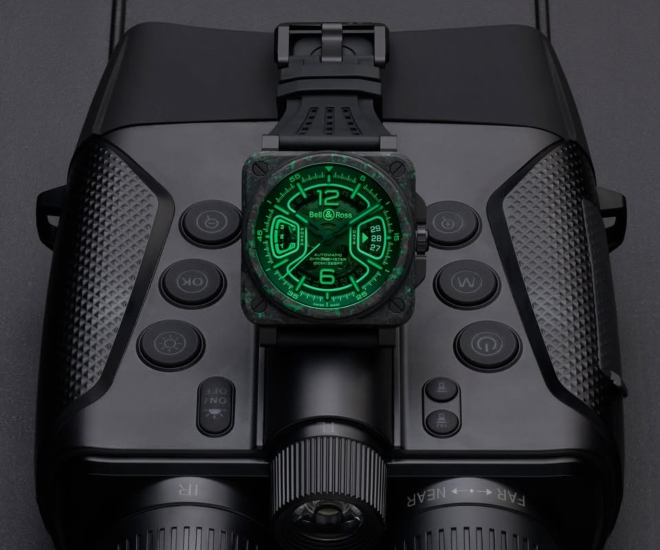
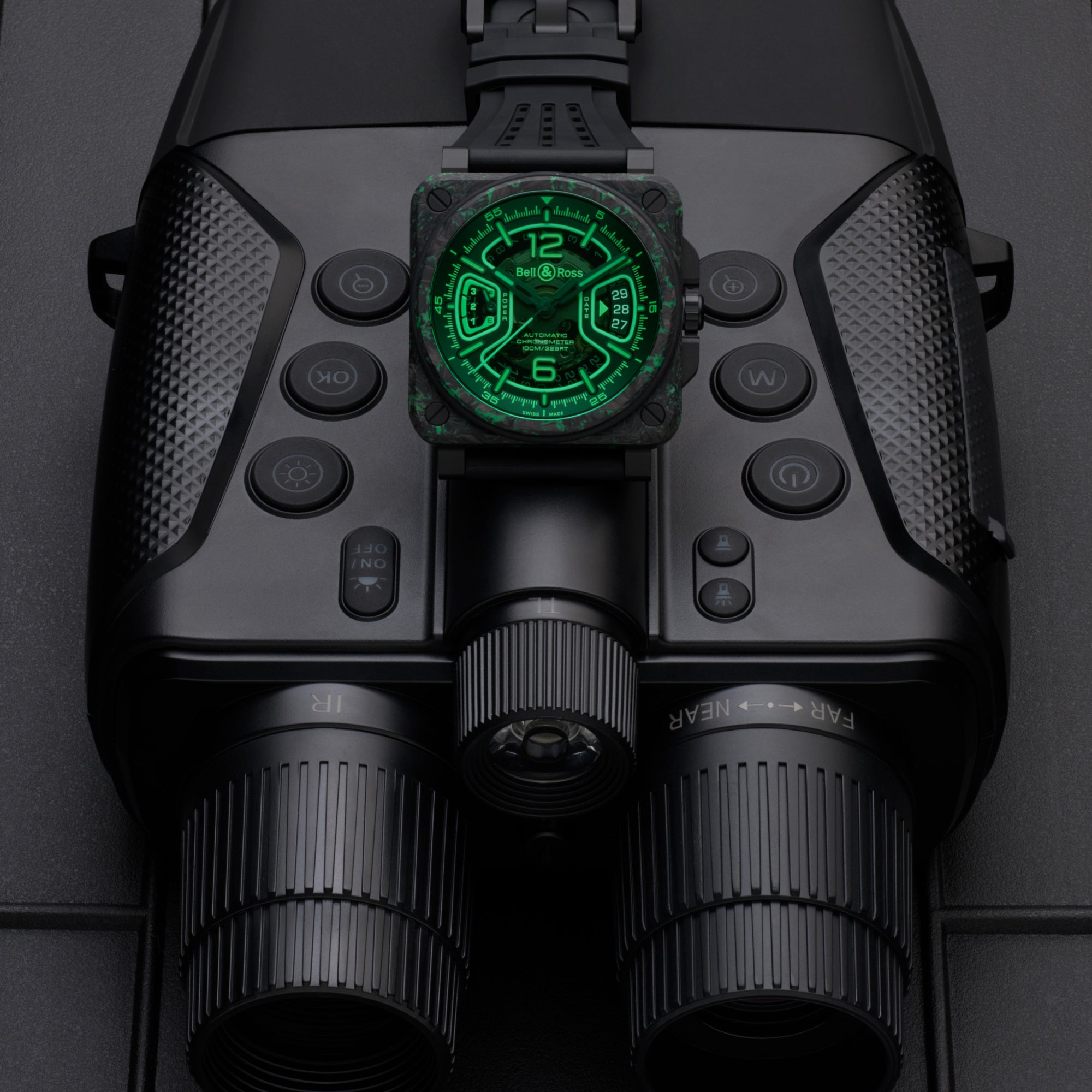
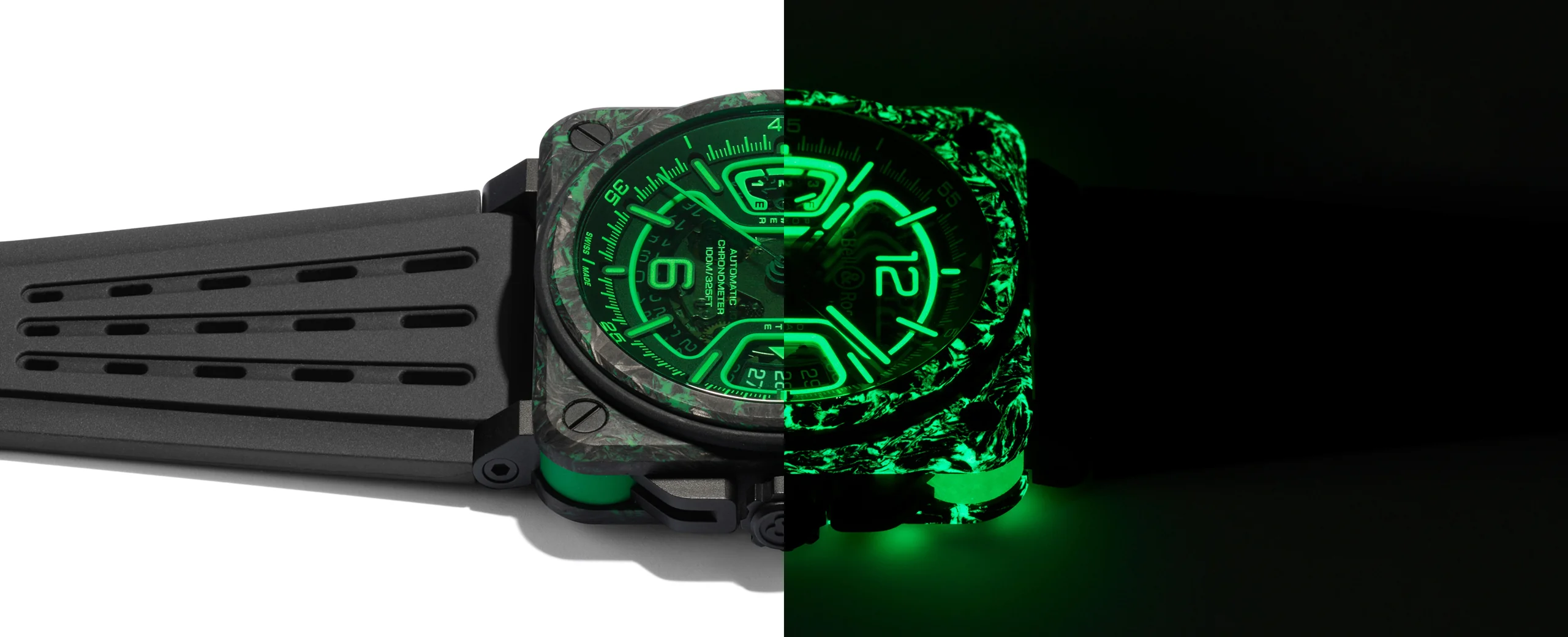
- Case and Dial Prototyping (Years 3-4): Developing complex case structures, such as those seen in the Bell & Ross BR-X3, requires specialized tooling and material testing.
- Testing and Certification (Year 5): Brands subject their watches to rigorous testing, such as COSC (Contrôle Officiel Suisse des Chronomètres) or METAS certification, which can take several months.
- Production and Launch (Year 6): Once the final version is approved, the supply chain must be scaled for a global release.
However, recent industry examples have shown that this timeline is not fixed. Parmigiani Fleurier, under the leadership of CEO Guido Terreni, reportedly developed the Tonda PF—a collection that revitalized the brand—in less than one year. This rapid turnaround suggests that with clear leadership and a focused vision, the traditional five-year cycle can be significantly compressed without sacrificing quality.
Case Studies in Divisive Innovation: Bell & Ross and Patek Philippe
The Bell & Ross BR-X3 and X5 series serve as primary examples of development cycles that justify their length through technical complexity. These models utilize a modular case construction, which allows for a mix of materials and finishes that would be impossible in a traditional monoblock case. The engineering required to ensure water resistance and structural integrity in such a multi-part system necessitates the "years of development" that the brand claims. In this instance, the development time is reflected in the product’s architecture, positioning it as a technical achievement rather than a mere aesthetic update.
In contrast, the 2024 launch of the Patek Philippe Cubitus provides a case study in market divisiveness. As the brand’s first new collection in twenty-five years, the Cubitus was met with intense scrutiny. While Patek Philippe maintains that the development was a multi-year process involving significant design refinement, the aesthetic—a square interpretation of the iconic Nautilus—divided the collector community. From a journalistic and market perspective, this divisiveness is arguably preferable to a "safe" release. A watch that generates thousands of comments and hours of video content, even if some are critical, maintains the brand’s relevance in a way that a conservative release cannot.
The Risk of the Anodyne: When Long Cycles Fail
A significant critique raised by industry pundits is the tendency for brands to spend years developing "anodyne" products—watches that are technically sound but lack a distinct personality. This phenomenon is often seen in the proliferation of "trend-following" releases, such as the industry-wide surge in integrated-bracelet sports watches with light blue dials.
When a brand spends five years developing a watch that simply mirrors a trend that has already peaked, the development cycle becomes a liability. This is where the comparison to other industries, such as the AAA video game sector, becomes relevant. In gaming, titles are often delayed for years only to be released with technical bugs or a lack of core innovation, relying on post-launch "patches" to satisfy the consumer. While the watch industry cannot "patch" a physical product, the launch of the Audemars Piguet Code 11:59 in 2019 followed a similar trajectory. The initial reception was lukewarm, but the brand used subsequent iterations to "fix" the design elements that collectors found unappealing, eventually turning the collection into a commercial success.
Supporting Data: The Economic Impact of Novelty
Market data from 2023 and 2024 indicates that the "novelty factor" remains a primary driver of sales in the luxury segment. According to industry reports:
- Secondary Market Retention: Limited editions or highly divisive "novelty" pieces tend to retain 15-20% more value on the secondary market compared to standard catalog extensions.
- Consumer Engagement: Brands that release at least one "disruptive" model per year see a 30% higher engagement rate on digital platforms compared to those that focus solely on incremental updates.
- R&D Expenditure: Top-tier Swiss brands are estimated to reinvest between 5% and 10% of their annual revenue into Research and Development, highlighting the high cost of the development cycles under discussion.
These figures underscore why brands are hesitant to shorten their development times. The financial risk of a failed "rushed" product is often viewed as greater than the risk of a "slow and boring" one.
Official Responses and Leadership Transitions
The role of a CEO is often the deciding factor in how a brand manages its development timelines. The arrival of new leadership frequently results in a "clearing of the decks," where long-standing projects are either accelerated or cancelled in favor of a new vision.
At Breguet, the transition to new leadership has seen a renewed focus on the brand’s historical strengths while attempting to modernize the catalog. Similarly, brands like Breitling and Bremont have undergone significant shifts in their release strategies following changes at the executive level. These transitions often reveal that "years of development" can be a flexible concept; a new CEO can often bring a dormant project to fruition in a fraction of the time originally projected by their predecessor.
While brands rarely issue formal statements regarding the "divisiveness" of their products, Patek Philippe’s Thierry Stern has famously stated in interviews that he designs for the long-term legacy of the brand rather than short-term social media approval. This official stance reinforces the idea that for heritage houses, the multi-year development cycle is a tool for ensuring "eternal" relevance, even if it results in initial market friction.
Broader Impact and Industry Implications
The ongoing debate over development timelines suggests a maturing market where collectors are no longer satisfied with the mere "claim" of craftsmanship; they require the "evidence" of it. The future of the industry likely lies in a hybrid approach: maintaining the rigorous technical development required for high-complication movements while adopting a more agile approach to design and aesthetic innovation.
As the luxury watch market faces a cooling period following the post-pandemic boom, the pressure on brands to justify their price points through innovation will only increase. A watch that takes five years to develop must offer more than a new dial color; it must offer a reason to exist in a world where the mechanical watch is no longer a necessity, but a statement of intent.
In conclusion, the horological industry is at a crossroads where the definition of success is shifting. The consensus among analysts is that a divisive watch—one that challenges conventions and prompts discourse—is a more vital sign of a brand’s health than a series of safe, anodyne releases. Whether a watch takes two years or ten to develop, its ultimate value is determined not by the time spent in the workshop, but by its ability to capture the imagination of the public and stand the test of time.
