
 By admin
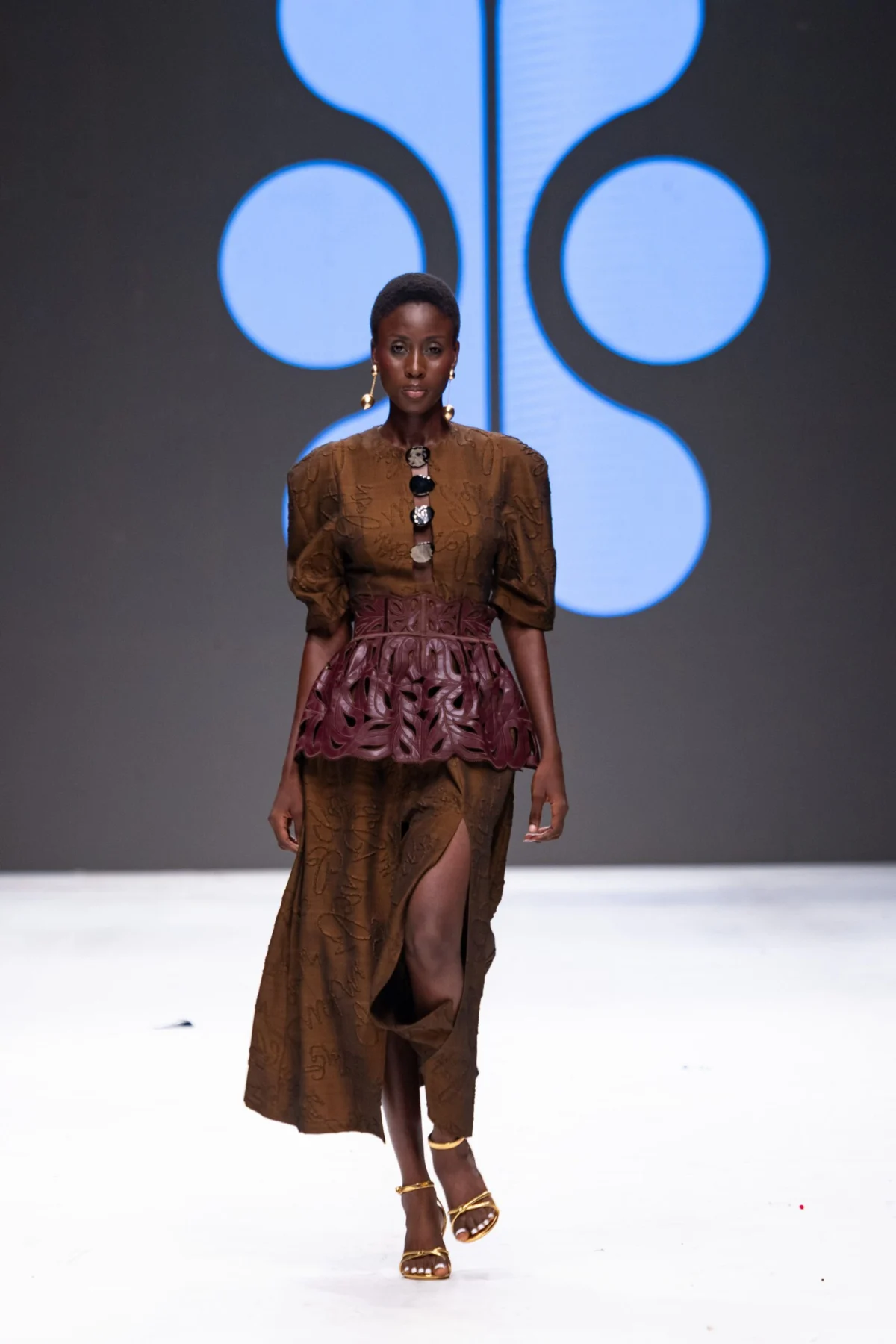
After an eight-year hiatus, Ghana’s acclaimed fashion brand Christie Brown made a highly anticipated return to the Nigerian metropolis of Lagos, presenting its latest collection to an eager audience. The showcase on Thursday night signified a strategic re-engagement with one of Africa’s most vibrant and influential fashion markets, underscoring the brand’s commitment to strengthening its presence across West Africa. Designer Aisha Ayensu, the creative force behind Christie Brown, expressed palpable excitement about being back in the city. "This isn’t our first rodeo here. We used to show quite a lot, so we’re excited to be back," Ayensu stated, capturing the infectious energy that Lagos is renowned for. "I love the energy here. It’s just so infectious." This comeback is not merely a re-entry but a significant moment for the brand, signaling a refined aesthetic direction and a deepened connection to its Ghanaian roots, while simultaneously positioning itself within the broader narrative of African luxury.
A Triumphant Return: Re-Engaging the Nigerian Market
The return of Christie Brown to Lagos is a pivotal event, not just for the brand, but for the wider West African fashion industry. Lagos has long established itself as a dynamic hub for fashion, culture, and commerce on the continent. Its burgeoning middle class, growing consumer spending power, and a strong appreciation for both local and international luxury goods make it an indispensable market for any African designer with regional and global ambitions.
Lagos: A Fashion Metropolis
Nigeria, with its population exceeding 200 million, represents Africa’s largest economy and a critical consumer base for luxury goods. The Nigerian fashion industry, in particular, has witnessed exponential growth over the past decade, driven by a surge in local talent, increased international exposure, and a robust digital ecosystem. Lagos Fashion Week, for instance, has grown into a globally recognized platform, attracting buyers, media, and enthusiasts from across the world. The city’s fashion landscape is characterized by its daring spirit, a penchant for bold statements, and a seamless blend of traditional African aesthetics with global trends. For Christie Brown, whose signature style has historically resonated with this vibrancy, re-establishing a physical and experiential presence in Lagos is a strategic imperative.
The Strategic Significance of a Comeback
The eight-year gap since Christie Brown last showcased in Lagos prompts reflection on the evolving dynamics of the African fashion market. While the specific reasons for the hiatus are multi-faceted – potentially including a focus on other markets, brand development, or global economic shifts – the timing of this return is highly calculated. It coincides with a period where "Made in Africa" brands are gaining unprecedented traction on the international stage, challenging conventional notions of luxury and design. By returning to Lagos, Christie Brown reaffirms its commitment to its regional base, acknowledging the crucial role Nigerian consumers and industry players play in shaping trends and driving growth across the continent. It also sends a clear message about the brand’s resilience and its strategic vision to solidify its position as a leading African luxury label. This move is expected to foster greater cross-border collaboration and inspire other African designers to look inward at continental opportunities, rather than solely outward.
Christie Brown’s Legacy and Evolution
Christie Brown, founded in 2008 by Aisha Ayensu, quickly rose to prominence as one of Ghana’s most celebrated fashion exports. The brand became synonymous with its distinctive blend of modern silhouettes and traditional African textiles, earning accolades for its innovative use of prints, textures, and embellishments. Over the years, Christie Brown has graced runways from Accra to London, gaining a dedicated following for its sophisticated yet culturally rich designs.
From Bold Structures to Muted Sophistication
Historically, Christie Brown has been celebrated for its audacious structures, voluminous forms, and vibrant color palettes that command attention. These elements contributed to a powerful aesthetic that perfectly encapsulated the "bold, unapologetic African woman." However, the Spring 2027 collection marks a significant departure, signaling a mature evolution in the brand’s design philosophy. Ayensu has introduced a new aesthetic, favoring more muted tones and experimenting with geometric shapes. This shift represents a deliberate move towards a more refined, understated elegance, while still maintaining the brand’s unique identity. The transition from overt vibrancy to subtle sophistication reflects a broader trend in luxury fashion, where quiet luxury and timelessness are increasingly valued.
Aisha Ayensu: The Visionary Behind the Brand
Aisha Ayensu’s vision has always been at the heart of Christie Brown’s success. A self-taught designer, her intuitive understanding of fabrics, form, and cultural storytelling has propelled the brand onto the global stage. Her ability to translate traditional African craftsmanship into contemporary, wearable art has earned her numerous awards and a reputation as a trailblazer in African fashion. This latest collection showcases her continuous growth as a designer, demonstrating a willingness to evolve and push creative boundaries while staying true to her heritage. Ayensu’s hands-on approach and deep connection to her Ghanaian roots are evident in every piece, ensuring authenticity and a narrative that resonates deeply with her audience. Her journey reflects the broader trajectory of African designers who are not just creating clothes but crafting cultural narratives that challenge, inspire, and redefine global perceptions of African creativity.
The Spring 2027 Collection: Architecture, Heritage, and Modernity
The new collection presented in Lagos is a masterclass in blending disparate inspirations into a cohesive and compelling narrative. Ayensu drew particular inspiration from Ghana’s iconic Adomi Bridge, an engineering marvel located in the Eastern region, and seamlessly integrated elements of traditional Ewe kente textile into modern silhouettes.
Inspired by the Adomi Bridge: A Symbol of Ghanaian Progress
The Adomi Bridge, constructed shortly after Ghana gained independence in 1957, is more than just a functional crossing over the Volta River; it is a profound symbol of national pride, progress, and aspiration. Its distinctive arch and intricate steel truss structure represent a triumph of engineering and a beacon of optimism for a newly independent nation. Ayensu meticulously translated the architectural integrity and geometric precision of the bridge into her designs. The collection features clean lines, structured forms, and an interplay of angles that evoke the bridge’s robust yet elegant framework. The excitement and optimism surrounding the then-new bridge, a sentiment of looking forward while acknowledging a strong foundation, served as a profound emotional and structural blueprint for the collection. This architectural inspiration manifests in subtle yet powerful ways, from the cut of a sleeve to the drape of a fabric, imbuing the garments with a sense of strength, balance, and understated grandeur.
Ewe Kente Reimagined: Bridging Tradition and Contemporary Design
Beyond the geometric shapes inspired by the Adomi Bridge, Ayensu also ingeniously incorporated Ewe kente, a traditional hand-woven textile, into the collection. Kente cloth is culturally significant across Ghana, but Ewe kente, specifically from the Ewe ethnic group primarily located in southeastern Ghana and parts of Togo and Benin, is distinguished by its intricate patterns, specific weaving techniques, and often symbolic color combinations. Traditionally, kente is vibrant, rich in color, and reserved for special occasions. Ayensu’s goal was to reinterpret this revered fabric for a modern silhouette, challenging conventional perceptions of its application.
This reimagination involved a bold experimentation with the kente’s inherent characteristics. Instead of the traditional bright, highly contrasting colors, Ayensu opted for a subdued palette, replacing the customary reds, yellows, and greens with sophisticated grays and beiges. This innovative approach allows the intricate weave and texture of the kente to take center stage, offering a fresh perspective on a centuries-old craft. By integrating this traditional fabric into contemporary cuts and styles, Christie Brown not only pays homage to Ghanaian heritage but also demonstrates how cultural textiles can be adapted to appeal to a global, modern audience without losing their intrinsic value or authenticity. This fusion speaks to a broader movement within African fashion where designers are consciously preserving cultural identity while pushing the boundaries of global aesthetics.
The New Color Palette: A Refined Expression
The decision to pivot from Christie Brown’s signature brights to a palette dominated by muted tones of gray and beige is perhaps the most striking aspect of the new collection. This shift is not merely aesthetic; it’s a statement about sophistication, versatility, and the evolving tastes of the luxury consumer. Muted tones offer a sense of timelessness and understated elegance, allowing the intricate designs, geometric patterns, and rich textures of the Ewe kente to truly shine. The use of gray and beige, colors often associated with minimalist design and quiet luxury, allows the structural integrity of the garments and the cultural narrative embedded within the textiles to come to the forefront. This refined color scheme expands the brand’s appeal, making the pieces more adaptable for various occasions and global wardrobes, thus aligning with Ayensu’s commitment to building wardrobes that customers will "always come back to."
Defining the Modern Woman: "She is King" Evolved
Ayensu’s reflection on her past collection, "She is King," shown in Lagos in Spring 2019, provides a fascinating lens through which to understand the evolution of the Christie Brown woman. That collection emerged at the "tail end of the #girlboss era," a period characterized by a strong emphasis on women asserting their power, often through bold statements and visible achievements. The current Spring 2027 collection, while retaining echoes of that earlier period (such as bold shoulders and ruffles), presents a nuanced evolution of female empowerment.
From #Girlboss to Quiet Confidence
The original "She is King" collection resonated with the zeitgeist of women striving to prove their capabilities in male-dominated spaces, often requiring overt displays of strength and ambition. Ayensu now observes a significant shift: "She is King but in a mature way. She doesn’t have to prove so much." This statement encapsulates a profound societal change, moving from an era of overt assertion to one of quiet confidence and self-assuredness. The modern Christie Brown woman, as envisioned by Ayensu, has evolved beyond the need for external validation. Her power is intrinsic, her presence is assured, and her style reflects a deep understanding of her own worth. This maturity is mirrored in the collection’s sophisticated palette and refined structures, which speak volumes without shouting. It’s about intrinsic power, not performative power.
Building a Timeless Wardrobe
Ayensu’s philosophy of "building wardrobes that you always come back to" underscores a commitment to sustainability and enduring style. In an industry often criticized for its fast-fashion cycles and transient trends, Christie Brown is consciously crafting pieces that transcend seasons. The emphasis on quality, craftsmanship, and timeless design ensures that each garment is an investment, a cherished item rather than a disposable trend piece. This approach resonates deeply with contemporary consumers who are increasingly seeking longevity and value in their purchases, aligning with a broader shift towards conscious consumption and a rejection of disposable fashion. By focusing on versatile, well-crafted pieces that embody a mature and confident aesthetic, Christie Brown positions itself not just as a fashion brand, but as a purveyor of enduring style and a partner in the modern woman’s evolving identity.
Broader Implications for African Fashion
Christie Brown’s return to Lagos is more than just a brand showcasing a new collection; it holds significant implications for the broader African fashion ecosystem, impacting regional collaboration, economic growth, and the global perception of African luxury.
Strengthening Regional Collaboration
The re-engagement of a Ghanaian powerhouse with the Nigerian market exemplifies the growing spirit of intra-African collaboration and market integration. Historically, African designers have often looked to Western markets for validation and commercial success. However, events like Christie Brown’s return highlight the immense potential within the continent itself. This kind of cross-border interaction fosters a stronger, more interdependent African fashion industry, encouraging knowledge exchange, talent mobility, and shared growth. It reinforces the idea that Africa’s fashion narrative is best told and supported by Africans themselves, creating a robust ecosystem that can compete on the global stage. This move can inspire other brands to explore regional expansion, leading to a more interconnected and resilient continental fashion market.
Economic and Cultural Impact
The African fashion industry is a significant economic driver, with market valuations estimated to be in the tens of billions of dollars and projected to grow substantially. Brands like Christie Brown contribute directly to this growth through job creation in design, production, marketing, and retail. Furthermore, the innovative use of traditional textiles like Ewe kente not only preserves cultural heritage but also creates economic opportunities for local artisans and weavers, ensuring the continuity of these vital crafts. By modernizing and globalizing these traditional elements, Christie Brown elevates African cultural assets to luxury status, challenging stereotypes and promoting a sophisticated image of African creativity and craftsmanship. This cultural export contributes to Africa’s soft power, showcasing its rich heritage and contemporary innovation to the world.
The Future of African Luxury
Christie Brown’s evolved aesthetic, with its focus on muted tones, sophisticated structures, and a mature interpretation of female empowerment, positions the brand squarely within the burgeoning "African luxury" segment. This segment is characterized by high-quality craftsmanship, unique cultural storytelling, and a growing global demand for authenticity and exclusivity. The brand’s commitment to timeless design and sustainable practices also aligns with the evolving definition of luxury, which increasingly prioritizes ethical sourcing and environmental responsibility. As African economies continue to grow and global appreciation for diverse aesthetics expands, brands like Christie Brown are poised to lead the charge, redefining what luxury means and demonstrating that it can be deeply rooted in African heritage while maintaining a global appeal. Their presence in key markets like Lagos is crucial for solidifying this vision and paving the way for future generations of African luxury brands.
Conclusion
Christie Brown’s return to Lagos after an eight-year hiatus is a landmark moment, signifying a strategic re-engagement with a critical market and a bold evolution in the brand’s design philosophy. Under Aisha Ayensu’s visionary leadership, the Spring 2027 collection masterfully intertwines architectural inspiration from Ghana’s Adomi Bridge with the rich cultural heritage of Ewe kente, reimagining both through a sophisticated palette of muted tones and modern silhouettes. This collection not only showcases an artistic maturation for Christie Brown but also reflects a broader societal shift in the definition of female empowerment – from the assertive #girlboss to a woman of quiet confidence and assured maturity. Beyond the immediate impact on the brand, this return reinforces Lagos’s status as a continental fashion capital, strengthens intra-African collaboration, and further solidifies the position of "Made in Africa" luxury brands on the global stage. Christie Brown’s commitment to timeless design and cultural innovation ensures its continued relevance and influence, promising a vibrant future for African fashion that is both deeply rooted in tradition and boldly forward-looking.
