
 By admin
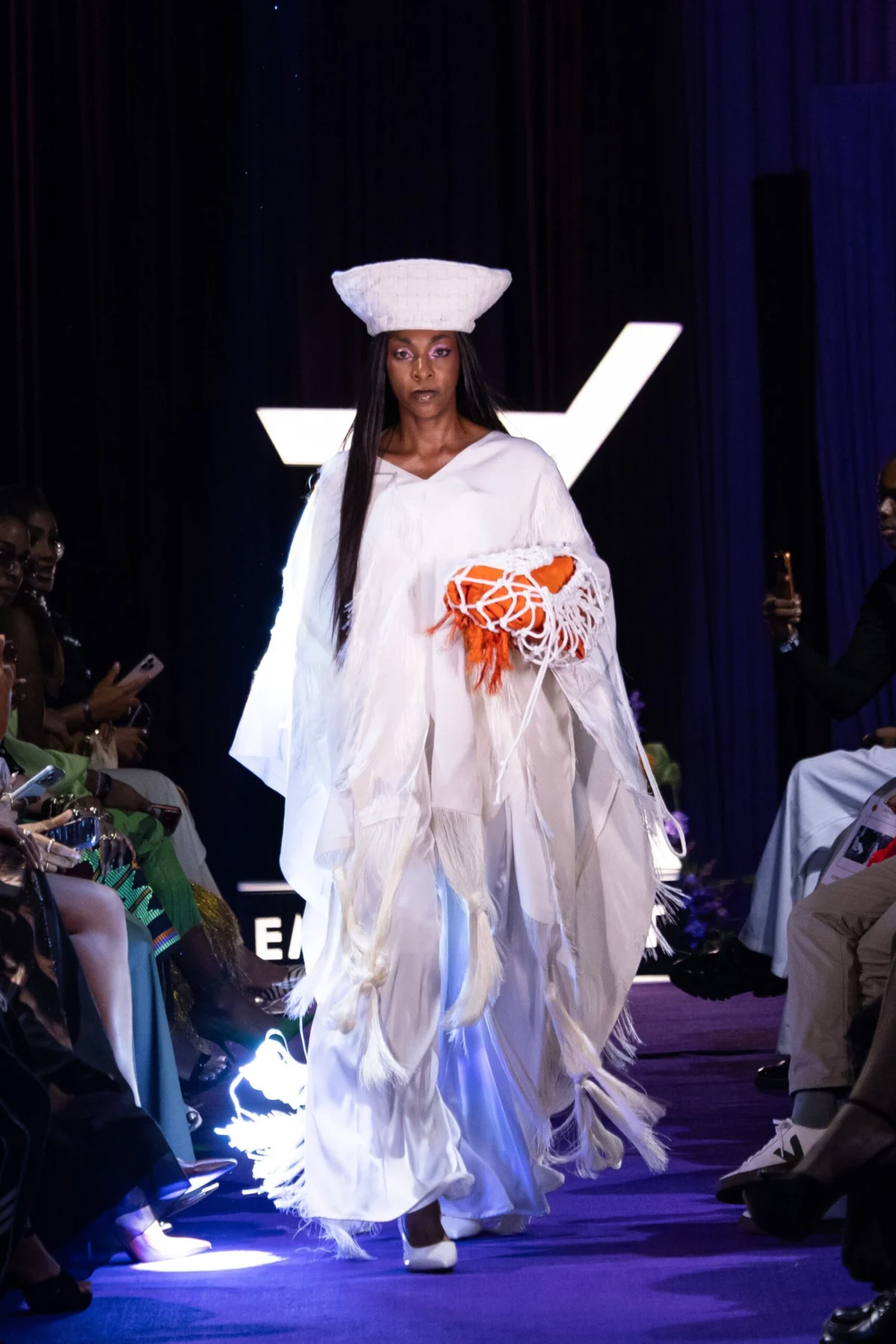
Lagos, Nigeria – The unveiling of Emmy Kasbit’s Spring 2027 collection at Lagos Fashion Week marked a pivotal moment for the acclaimed Nigerian brand, drawing an ardent following of fashion enthusiasts adorned in the label’s distinctive creations. Renowned for its masterful integration of akwete, a revered traditional Nigerian handwoven fabric, Emmy Kasbit showcased a collection that transcends geographical boundaries, finding profound inspiration in the rich cultural tapestry of Indonesia. This season, founder and creative director Emmanuel Okoro, whose brand has cultivated a devoted following over its thirteen-year history, embarked on a fresh aesthetic journey, moving beyond his signature matching sets to present a versatile array of separates that speak to a globalized yet deeply rooted fashion sensibility.
The Genesis of a Vision: Emmanuel Okoro’s Evolving Aesthetic
Emmanuel Okoro established Emmy Kasbit in 2014, quickly distinguishing the brand through its unwavering commitment to preserving and elevating Nigerian textile heritage. Over more than a decade, Emmy Kasbit has grown from a nascent label into a cultural phenomenon, amassing a "cult-like following" drawn to its unique blend of traditional craftsmanship and contemporary design. Okoro’s vision has consistently centered on the narrative power of clothing, utilizing fashion as a medium to celebrate identity, history, and the artisanal skills of local communities. The brand’s prominence underscores a broader global recognition of African fashion as a dynamic force, capable of innovating while honoring its roots.
This Spring 2027 collection, however, represents a significant evolutionary leap for Okoro. For the first time in the brand’s history, he consciously departed from designing with matching sets as the primary focus, a strategy that has historically resonated strongly with his clientele. This shift signals a strategic pivot towards greater versatility and individual expression. "The client doesn’t have to take the look as they see it on the runway if they don’t want to. They can take [individual] pieces," Okoro stated, articulating a design philosophy that empowers the wearer to integrate Emmy Kasbit garments into their existing wardrobes, fostering a more personalized and sustainable approach to luxury fashion. This move aligns with broader industry trends favoring modularity and seasonless dressing, allowing consumers greater flexibility and extending the lifecycle of garments.
A Tapestry of Traditions: The Akwete Legacy
Central to Emmy Kasbit’s identity and the core of its Spring 2027 collection is akwete fabric. This handwoven textile, originating from the Igbo community of Akwete in Abia State, southeastern Nigeria, is more than just cloth; it is a repository of cultural knowledge, historical narratives, and artistic expression. Traditionally woven by women on a vertical loom, akwete is characterized by its intricate patterns, vibrant colors, and distinctive texture. Each motif often carries symbolic meaning, reflecting aspects of nature, social status, or historical events, making every piece a unique narrative.
Emmy Kasbit’s consistent championing of akwete has been instrumental in bringing this indigenous craft to a global audience. By integrating it into modern silhouettes and high-fashion contexts, Okoro not only preserves a dwindling art form but also creates sustainable livelihoods for the Akwete weaving communities. The brand’s commitment ensures that traditional skills are passed down through generations, combating the impact of mass production and celebrating the inherent value of slow fashion. The economic impact is significant; by creating a consistent demand for akwete, Emmy Kasbit contributes to the economic empowerment of women weavers, fostering local industry and cultural pride. This commitment resonates strongly with the growing global demand for artisanal, ethically sourced textiles, which, according to market reports, represents a significant segment within the broader sustainable fashion industry. Brands that transparently support traditional craftsmanship are increasingly favored by conscious consumers seeking authenticity and provenance.
From Nigeria to Nusantara: An Indonesian Muse
The Spring 2027 collection’s profound narrative is further enriched by Okoro’s collaboration and inspiration drawn from an unnamed Indonesian designer earlier this year. This cross-cultural exchange served as the catalyst for the collection’s central theme: the surprising yet resonant similarities between Akwete women and the Javanese women of Indonesia. "We’re very particular about culture and its preservation," Okoro explained, highlighting the shared values that transcend superficial differences between the two cultures. He identified common threads of perseverance, community, and heritage as unifying elements, demonstrating how these core human experiences manifest across diverse cultural landscapes.
Indonesia, particularly Java, boasts a rich heritage of textile artistry, most famously batik and tenun (traditional woven textiles). While the collection explicitly references Javanese women rather than specific Indonesian fabrics, the conceptual link to the deep-seated cultural significance of textiles in both regions is undeniable. Javanese women, like their Akwete counterparts, have historically been custodians of textile traditions, using them not only for attire but also as markers of social status, ceremonial objects, and expressions of spiritual belief. The act of weaving or batik-making often involves communal effort, patience, and a deep respect for tradition, mirroring the values inherent in Akwete craftsmanship. This conceptual framework allowed Okoro to explore a fascinating dialogue between distinct yet spiritually aligned cultural practices, resulting in a collection that is both globally informed and locally grounded. This thoughtful approach to cross-cultural inspiration stands in contrast to common criticisms of cultural appropriation, emphasizing a process of respectful collaboration and deep understanding rather than superficial borrowing.
The Spring 2027 Collection: A Symphony of Silhouettes and Textures
The collection itself is a testament to this nuanced cultural fusion. Okoro masterfully blended traditional Nigerian handwoven textiles with Asian-inspired silhouettes, creating garments that are both familiar and refreshingly new. The designs showcased a delicate balance, where the distinct patterns and textures of akwete found new expression within fluid, contemporary forms.
Highlights from the runway included lightweight trousers, ingeniously inspired by the relaxed elegance of a sarong. These pieces demonstrated how a traditional Asian garment concept could be reinterpreted through the lens of Nigerian fabric, offering a comfortable yet sophisticated alternative to conventional tailoring. Another standout was a poncho, crafted from two different types of akwete, illustrating Okoro’s innovative approach to textile manipulation and his ability to create depth and visual interest through contrasting patterns and weaves. This piece, in particular, exemplified the fusion, offering a relaxed silhouette characteristic of certain Asian garments while remaining unequivocally rooted in Nigerian craftsmanship.
Beyond these fusion pieces, the collection also presented an array of versatile separates that underscored Okoro’s new direction. A white silk fringed dress exuded understated glamour, its delicate movement providing a striking counterpoint to the more structured akwete pieces. An orange fringed blazer offered a vibrant, modern take on formalwear, showcasing the brand’s ability to infuse classic silhouettes with playful, textural elements. Furthermore, green tailored suits reinforced Emmy Kasbit’s commitment to precision tailoring, providing sharp, sophisticated options for both men and women. The overall effect was a collection that offered both bold statements and wearable essentials, designed to be mixed, matched, and integrated into diverse personal styles.
Lagos Fashion Week: A Global Platform for African Creativity
The presentation of Emmy Kasbit’s Spring 2027 collection at Lagos Fashion Week (LFW) further underscores its significance. LFW has firmly established itself as a premier platform for African designers, attracting international buyers, press, and fashion enthusiasts. Its growing influence reflects a broader trend in the global fashion industry: the increasing recognition and demand for African creativity, craftsmanship, and unique cultural narratives.
Lagos, as a burgeoning fashion capital, provides an ideal backdrop for brands like Emmy Kasbit to showcase their work. The city’s vibrant energy, diverse cultural influences, and dynamic creative scene foster an environment ripe for innovation. LFW serves not only as a commercial showcase but also as a vital forum for cultural exchange, allowing African designers to tell their stories on their own terms and to challenge preconceived notions about fashion from the continent. The event plays a crucial role in economic development, fostering local talent, promoting ethical production, and attracting foreign investment into the African fashion ecosystem. The global market for luxury goods, particularly those with a unique cultural narrative and artisanal origin, continues to expand, positioning brands like Emmy Kasbit at the forefront of this exciting growth.
Broader Implications: Cultural Exchange, Sustainability, and Market Dynamics
Emmy Kasbit’s Spring 2027 collection carries significant implications for several key areas within the fashion industry and beyond. Firstly, it offers a compelling model for cultural exchange and appreciation. By deeply researching and respectfully integrating elements from another culture, Okoro demonstrates how designers can draw inspiration without resorting to appropriation. His emphasis on shared values of perseverance and community highlights a more profound, empathetic approach to cross-cultural dialogue, fostering understanding rather than superficial borrowing. This method sets a precedent for responsible global design in an increasingly interconnected world.
Secondly, the collection reinforces the critical importance of sustainability in fashion. The use of akwete, a handwoven, locally produced textile, inherently aligns with sustainable practices. It minimizes environmental impact compared to industrial textile production, supports local economies, and celebrates slow fashion values. As consumer awareness about environmental and social responsibility grows, brands committed to traditional craftsmanship and ethical sourcing, like Emmy Kasbit, are gaining a significant competitive advantage. The longevity and timelessness of well-made artisanal garments also contribute to a more sustainable consumption cycle, countering the fast-fashion paradigm.
Finally, from a market dynamics perspective, the collection’s shift towards versatile separates is strategically astute. It broadens the brand’s appeal, making its distinctive aesthetic more accessible and adaptable to a wider range of customers and occasions. This modular approach allows buyers to invest in individual pieces that can be seamlessly integrated into existing wardrobes, reflecting a consumer preference for practicality alongside luxury. This strategy not only enhances customer satisfaction but also positions Emmy Kasbit for greater commercial success in diverse international markets, where the unique narrative and quality craftsmanship of Nigerian design are increasingly sought after.
Critical Reception and Future Outlook
Early reactions from fashion critics and industry observers have been overwhelmingly positive, with many lauding Okoro’s bold step in design evolution and the sophisticated narrative woven into the collection. Critics anticipate a strong commercial performance, particularly given the increased versatility of the pieces and the enduring appeal of the brand’s cultural authenticity. Buyers are expected to respond favorably to the collection’s balance of heritage and modernity, recognizing its potential to resonate with a global clientele eager for unique, story-rich garments.
Emmanuel Okoro’s declaration of a "fresh start" for Emmy Kasbit is more than just a marketing slogan; it signals a confident stride into a new era for the brand. It underscores a willingness to evolve, to challenge established norms, and to continually push the boundaries of contemporary African fashion. As Emmy Kasbit continues to expand its global footprint, its commitment to preserving traditional craftsmanship while embracing innovative design and cross-cultural dialogue positions it as a leading voice in a global industry increasingly valuing authenticity, sustainability, and profound storytelling. The Spring 2027 collection stands as a powerful testament to the enduring power of heritage and the boundless possibilities of creative collaboration, bridging continents and cultures one meticulously woven thread at a time.
