
 By Eva Lovia
The pursuit of healthy aging is a paramount concern for women, yet the daily demands of balancing careers, family life, and personal commitments often overshadow long-term health considerations. While immediate concerns like meal planning can feel overwhelming, the cumulative effect of daily choices—from dietary habits to sleep patterns and stress management—profoundly impacts well-being decades down the line. For women, these choices gain even greater significance as hormonal shifts, particularly concerning estrogen, exert a cascading influence on vital bodily functions, including mitochondrial health, cardiovascular wellness, and bone density. Fortunately, advancements in dietary supplements, especially those formulated for optimal bioavailability, offer a powerful strategy to maintain healthy nutrient levels and support overall vitality throughout a woman’s life. This comprehensive guide explores the essential supplements recommended for women across different age groups, fostering proactive health management for sustained well-being.
Navigating the 40s: Laying the Foundation for Future Health
The forties often mark a transitional period for women, characterized by significant hormonal fluctuations, particularly the onset of perimenopause. This phase can affect estrogen, progesterone, and testosterone levels, influencing everything from mood and energy to skin elasticity and sleep quality. Beyond reproductive health, estrogen plays a crucial role in maintaining bone density, cardiovascular function, cognitive performance, and collagen production. Recognizing these changes, strategic supplementation can help mitigate potential deficiencies and support the body’s adaptive processes.
Vitamin D with Vitamin K2: The Bone and Heart Duo
Vitamin D, often dubbed the "sunshine vitamin," is a cornerstone of healthy aging, supporting bone integrity, immune function, and cognitive health. Clinical studies consistently reveal that a significant portion of the population fails to achieve adequate vitamin D levels through sun exposure and diet alone. Supplementation with vitamin D3 is widely recommended due to its superior efficacy in raising serum levels compared to D2.
However, the benefits of vitamin D for bone health are significantly amplified when paired with vitamin K. Research indicates that vitamin K acts synergistically with vitamin D, not only aiding in calcium absorption for bone mineralization but also playing a crucial role in directing calcium away from arteries and into bone tissue. This dual action is vital for maintaining strong bones and supporting cardiovascular health by preventing arterial calcification.
Data Insight: According to the National Health and Nutrition Examination Survey (NHANES), approximately 35% of U.S. adults are estimated to have vitamin D deficiency. This prevalence underscores the importance of supplementation, especially for women approaching or experiencing perimenopause, a period associated with increased risk of osteoporosis.
Expert Recommendation: To optimize vitamin D supplementation, experts advocate for periodic testing of vitamin D levels. This allows for personalized dosage adjustments to meet individual needs and ensure therapeutic efficacy.
Magnesium Glycinate: The Master Mineral for Cellular Function
Magnesium is an indispensable mineral, participating in over 600 enzymatic reactions essential for human health. It is critical for neuromuscular function, energy production, muscle and nerve signaling, and plays a supportive role in heart and bone health. Furthermore, magnesium is a key cofactor in the activation of vitamin D.
Despite its widespread importance, magnesium deficiency is prevalent, and its levels often decline with age. Studies highlight that adequate magnesium intake can significantly contribute to maintaining daily vitality, supporting musculoskeletal health, and improving sleep quality in women. Magnesium glycinate stands out as a particularly beneficial form due to its high bioavailability and gentle impact on the gastrointestinal tract, minimizing common side effects associated with other magnesium forms.

Supporting Data: Research published in the Journal of the American College of Nutrition has indicated that suboptimal magnesium intake is common across various age groups, with older adults often exhibiting lower serum magnesium levels. This decline is linked to reduced dietary intake and impaired absorption.
NAD+ Precursors (NMN and Nicotinamide Riboside): Fueling Cellular Energy
As estrogen levels fluctuate during perimenopause, women may experience not only typical menopausal symptoms but also a decline in mitochondrial function. Estrogen has a known link to Nicotinamide Adenine Dinucleotide (NAD+), a crucial coenzyme essential for mitochondrial energy production. The reciprocal relationship between estrogen and NAD+ means that fluctuations in one can disrupt the balance of the other.
NAD+ is fundamental for cellular energy generation, healthy aging processes, and metabolic signaling. While NAD+ levels naturally decrease with age, supplementing with NAD+ precursors, such as Nicotinamide Mononucleotide (NMN) and Nicotinamide Riboside (NR), can help bolster these levels. Studies on NR and NMN suggest their efficacy in increasing blood NAD+ levels, supporting cellular energy production, and potentially contributing to overall vitality. Some formulations also incorporate resveratrol, an antioxidant known for its cardioprotective and neuroprotective benefits.
Timeline Context: Research into NAD+ metabolism and its role in aging has accelerated over the past decade, with significant preclinical and early human studies emerging in recent years, highlighting the potential of precursor supplementation.
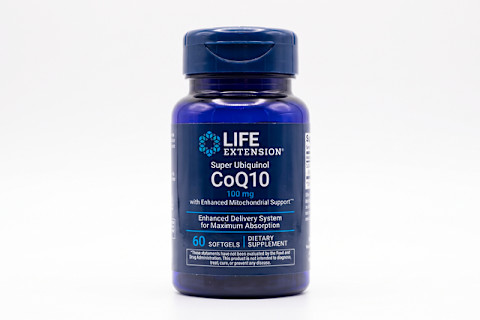
CoQ10 (Coenzyme Q10): Powering Mitochondria and Antioxidant Defense
Coenzyme Q10 (CoQ10) is another vital coenzyme that fuels mitochondrial energy production and acts as a potent antioxidant. Its benefits extend beyond cellular energy; it supports cardiovascular health and protects cells from oxidative stress. Organs with high energy demands, such as the heart and liver, rely heavily on adequate CoQ10 levels. Clinical studies have also explored CoQ10’s potential in combating general fatigue and reducing inflammatory markers, contributing to whole-body wellness.
A notable aspect of aging is the natural decline in the body’s CoQ10 production. Supplementation with bioavailable forms of CoQ10, such as ubiquinol, can help replenish these levels, supporting sustained energy and cellular integrity.
Analytical Insight: The decline in CoQ10 levels with age, coupled with its critical role in energy metabolism and antioxidant defense, positions it as a key supplement for supporting the vitality of aging cells and organs.
Omega-3 Fatty Acids (EPA/DHA): Cardiovascular and Cognitive Support
Omega-3 fatty acids, particularly Eicosapentaenoic Acid (EPA) and Docosahexaenoic Acid (DHA), are essential fats found abundantly in fatty fish and fish oil supplements. These powerful nutrients are crucial for maintaining cardiovascular and brain health, areas particularly susceptible to the effects of declining estrogen levels. Research consistently demonstrates that omega-3s promote healthy heart and blood vessel function, help maintain already-healthy triglyceride and HDL cholesterol levels, and are associated with overall healthy aging.
For individuals who do not regularly consume fatty fish, high-quality omega-3 supplements offer a reliable way to ensure adequate intake. Opting for supplements certified by organizations like the International Fish Oil Standards (IFOS) ensures purity, potency, and quality.

Data Point: Studies have shown that higher blood levels of omega-3 fatty acids are correlated with a reduced risk of cardiovascular events and improved cognitive function in older adults.
Embracing the 50s: Maintaining Strength and Vitality Post-Menopause
As women enter their 50s, many transition into postmenopause, characterized by consistently low estrogen levels. This shift necessitates a renewed focus on maintaining physical and mental resilience. Strategic supplementation during this decade is crucial for supporting muscle mass, bone density, cognitive function, and skin health, laying the groundwork for continued well-being in the years to come.
Calcium: The Architect of Bone Health
The sustained decline in estrogen levels post-menopause significantly impacts bone density, increasing the risk of osteoporosis. Calcium is a fundamental mineral essential for building and maintaining strong bones. Since the body cannot synthesize calcium, dietary intake is paramount. While dairy products and fortified foods are good sources, daily nutritional supplements often become necessary to meet the recommended intake.
It is crucial to choose calcium supplements that are formulated with complementary nutrients. Pairing calcium with vitamin D, vitamin K, and magnesium enhances its effectiveness by supporting optimal absorption, bone mineralization, and preventing calcium from depositing in arteries.
Analytical Insight: The postmenopausal period represents a critical window for bone health. Proactive calcium supplementation, especially when combined with synergistic nutrients, is a cornerstone of osteoporosis prevention strategies.
Collagen: The Structural Backbone of Connective Tissues
The visible signs of aging often include changes in skin elasticity and joint health, largely attributed to the age-related decrease in collagen production. Collagen is a vital protein that provides structural integrity to connective tissues, including skin, bones, cartilage, and joints.
The body produces three primary types of collagen, each contributing to the health and function of various tissues. Supplementing with hydrolyzed collagen peptides, which are easily absorbed forms of collagen, can support joint and cartilage health, alleviate joint discomfort, and contribute to improved skin hydration and reduced appearance of fine lines and wrinkles.
Supporting Data: Clinical trials investigating collagen supplementation have demonstrated its positive effects on skin hydration, elasticity, and reduction in wrinkle depth. Similar benefits have been observed for joint health markers, including pain and mobility.
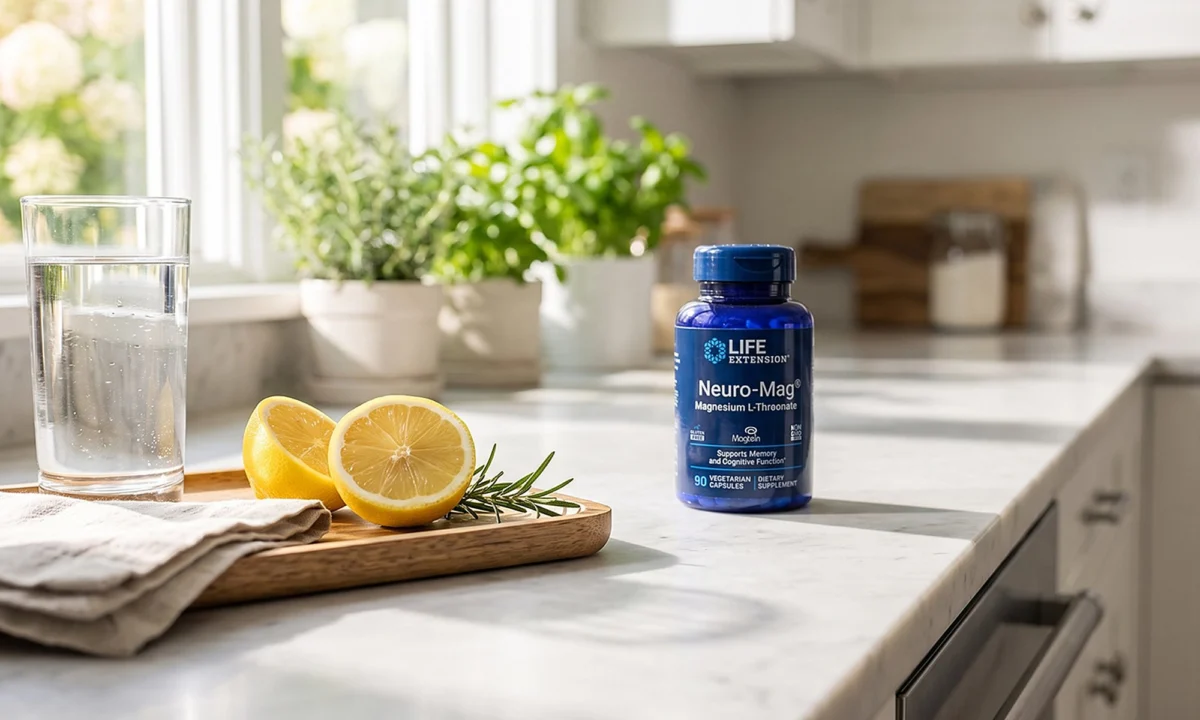
Magnesium L-Threonate: Sharpening Cognitive Function
Cognitive changes, such as occasional forgetfulness, can become more noticeable in midlife and beyond. While engaging in mentally stimulating activities like puzzles, learning new skills, or reading can support brain health, targeted nutrition also plays a significant role. Magnesium L-threonate is a specialized form of magnesium that has been specifically studied for its ability to cross the blood-brain barrier, supporting cognitive health.

This unique form of magnesium has shown promise in supporting healthy memory function, enhancing cognitive speed, and promoting overall cognitive performance. Its targeted action on the brain makes it a valuable addition to a healthy aging regimen for women.
Analytical Insight: The ability of magnesium L-threonate to effectively reach brain tissue distinguishes it from other magnesium forms, making it a preferred choice for individuals seeking to support cognitive vitality.
Thriving in the 60s and Beyond: A Longevity Strategy
As women move into their 60s and beyond, the focus often shifts towards a comprehensive longevity strategy, emphasizing sustained energy, cellular health, and robust antioxidant defense. These foundational elements are critical for maintaining health and vitality throughout the later stages of life.
B Vitamins/B-Complex (B6, B12, Folate): Energy and Neurological Support
B vitamins are essential for converting food into cellular energy, supporting red blood cell formation, brain function, and the health of the nervous system. However, the body’s ability to absorb certain B vitamins, particularly vitamin B12, diminishes with age. Studies estimate that a significant percentage of individuals over 60 may experience insufficient B12 levels.
Supplementing with a B-complex vitamin is a prudent choice. It’s important to note that the form of B vitamins matters. Methylfolate (5-MTHF) is often considered superior to folic acid as it is the metabolically active form, bypassing the need for enzymatic conversion that can be impaired in individuals with MTHFR gene variants. Similarly, methylcobalamin is the active, methylated form of vitamin B12.
Data Point: Research indicates that up to 40% of older adults may have suboptimal vitamin B12 status, highlighting the need for supplementation, especially of the active methylcobalamin form.
Fisetin: The Senolytic Flavonoid
Fisetin, an antioxidant flavonoid found in various fruits and vegetables, has garnered attention for its remarkable healthy aging and cellular health support properties. This plant compound is recognized for its ability to promote the body’s natural clearance of senescent cells—cells that have stopped dividing but remain metabolically active and can contribute to inflammation and age-related decline. By facilitating the removal of these "zombie cells," fisetin makes way for healthier, more functional cells.
Incorporating bioavailable fisetin supplements into one’s routine is an effective way to leverage its benefits. Formulas that protect fisetin through the digestive process, such as those combined with galactomannan fibers from fenugreek seeds, enhance its absorption and efficacy.
Analytical Insight: The senolytic properties of fisetin offer a novel approach to healthy aging by targeting cellular senescence, a key driver of age-related diseases.
Probiotics: Cultivating Gut Microbiome Health
The widespread availability of probiotic foods and beverages has raised awareness of their role in gut health. However, for a product to be considered a true probiotic, it must contain live microorganisms, such as bacteria and yeast, in adequate amounts proven to confer health benefits. This often necessitates the use of probiotic supplements rather than relying solely on fermented foods.
Specific probiotic strains have demonstrated efficacy in supporting microbiome health, which has far-reaching implications for overall well-being, particularly as women age. The gut microbiome can undergo shifts over time, and a quality probiotic supplement can help maintain a balanced and healthy gut environment. Choosing probiotic strains that have been clinically studied for relevant health concerns and ensuring adequate dietary fiber intake are key components of this strategy.
Context: The understanding of the gut microbiome’s influence on systemic health, including immunity, metabolism, and even mental health, has expanded dramatically in recent years, solidifying the importance of probiotics in a holistic health approach.
Understanding Healthy Aging Supplements for Women
The optimal supplement regimen for healthy aging is not static; it evolves with an individual’s changing needs over time.
Age-Specific Nutritional Considerations
While many biological needs are shared between men and women as they age, certain aspects of aging are more pertinent to women. Bone health, for instance, becomes a more pronounced concern for women after menopause due to hormonal shifts. Consequently, nutrients like vitamin D, calcium, and vitamin K are particularly crucial. While men may focus on age-related issues like prostate health, women’s supplement strategies often prioritize bone density and cardiovascular support. Some supplements are specifically formulated to address these gender-specific physiological changes.
Tailoring Supplementation for Postmenopausal Women
There is no one-size-fits-all supplement recommendation for all postmenopausal women. However, key supplements for supporting muscle and bone health include vitamin D and K, along with calcium for bone density. Protein intake is also vital for maintaining muscle mass. It is essential to recognize that supplements are adjuncts to a healthy lifestyle. Regular resistance training, for example, is indispensable for supporting healthy aging and maintaining physical strength.
Consulting Healthcare Professionals
Navigating the vast landscape of dietary supplements can be complex. To determine the most appropriate nutrients for individual health goals and concerns, it is highly recommended to consult with a healthcare provider. A medical professional can offer personalized guidance based on a thorough assessment of an individual’s health status, dietary habits, and specific needs.
These statements have not been evaluated by the Food and Drug Administration. This product is not intended to diagnose, treat, cure, or prevent any disease.
References:

Aaseth JO, et al. “The Importance of Vitamin K and the Combination of Vitamins K and D for Calcium Metabolism and Bone Health: A Review.” Nutrients. July 2024. https://pmc.ncbi.nlm.nih.gov/articles/PMC11313760/
Arici ECA, et al. “Nicotinamide Adenine Dinucleotide and Its Anti-aging Effects in the Context of Longevity and Menopause.” Mini Rev Med Chem. August 2026. https://pubmed.ncbi.nlm.nih.gov/42669985/
Bar O, Valiukevičienė S. “Skin Aging and Type I Collagen: A Systematic Review of Interventions with Potential Collagen-Related Effects.” Cosmetics. June 2025. https://www.mdpi.com/2079-9284/12/4/129
Barcelos IP, Haas RH. “CoQ10 and Aging.” Biology (Basel). May 2019. https://pmc.ncbi.nlm.nih.gov/articles/PMC6627360/
Morifuji M, et al. “Ingestion of β-nicotinamide mononucleotide increased blood NAD levels, maintained walking speed, and improved sleep quality in older adults in a double-blind randomized, placebo-controlled study.” Geroscience. October 2024. https://pubmed.ncbi.nlm.nih.gov/38789831/
Mouchaileh N. “Vitamin B12 deficiency in older people: a practical approach to recognition and management.” Journal of Pharmacy Practice and Research. December 2023. https://onlinelibrary.wiley.com/doi/full/10.1002/jppr.1897
Van den Heuvel E, et al. “Comparison of the Effect of Daily Vitamin D2 and Vitamin D3 Supplementation on Serum 25-Hydroxyvitamin D Concentration (Total 25(OH)D, 25(OH)D2, and 25(OH)D3) and Importance of Body Mass Index: A Systematic Review and Meta-Analysis.” Advances in Nutrition. January 2024. https://www.sciencedirect.com/science/article/pii/S2161831323013947
