
 By admin
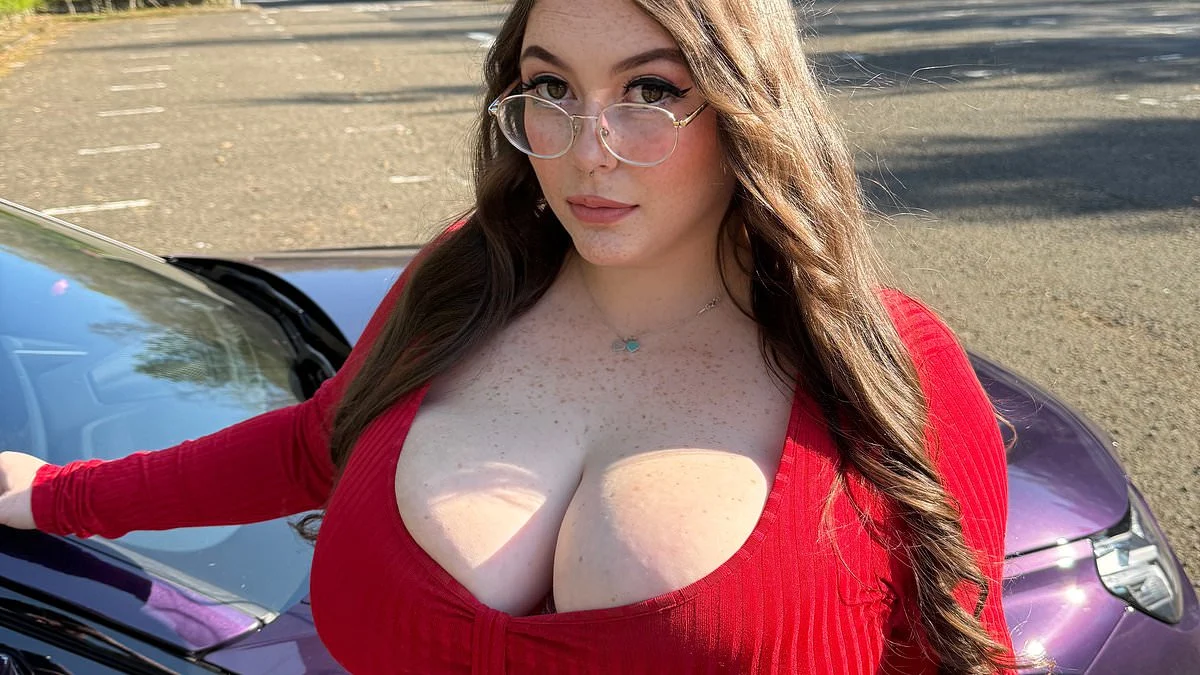
The Australian television landscape saw a moment of intersection between medical rarity and the modern creator economy on Monday, as Channel Seven’s The Morning Show hosted 28-year-old Summer Roberts. Roberts, a Glasgow native currently residing in Australia, appeared on the program to discuss her life with macromastia, a rare medical condition characterized by the excessive and continuous growth of breast tissue. While the segment was punctuated by moments of levity from veteran presenters Larry Emdur and Kylie Gillies, the discussion delved into the profound physical, psychological, and financial shifts Roberts has experienced since her childhood. The interview highlighted not only the challenges of living with a conspicuous physical condition but also the unconventional path Roberts took to reclaim her agency through the subscription-based platform OnlyFans.
Understanding Macromastia: A Rare Medical Phenomenon
Macromastia, also referred to in clinical literature as gigantomastia or breast hypertrophy, is a rare condition involving the rapid and extreme enlargement of the breasts. Unlike standard breast development during puberty, macromastia involves a disproportionate increase in tissue that can lead to significant physical discomfort, including chronic back, neck, and shoulder pain, as well as skin irritations and postural issues. In many cases, the condition is idiopathic, meaning the exact cause remains unknown, though it is often linked to hormonal sensitivities or excessive responses to estrogen.
For Summer Roberts, the onset of the condition was jarringly premature. During her interview, she revealed that she was only eight years old when her body underwent a radical transformation. "I literally woke up one day and there they were—I had C cups," Roberts told the hosts. This sudden development at such a young age is often classified as precocious puberty or juvenile macromastia. Roberts described the immediate social fallout, noting that her peers and teachers were confused by her sudden change in appearance. Despite her parents’ efforts to seek medical intervention, Roberts noted that doctors initially dismissed the growth as a standard, albeit early, part of puberty. This lack of early clinical recognition is a common theme for many women with the condition, who often face "medical gaslighting" or a dismissal of the physical burden their bodies carry.
The Physical and Social Toll of Extreme Proportions
Standing at 4 feet 11 inches tall, Roberts explained that her stature exacerbates the physical strain caused by her condition. The continuous growth of breast tissue throughout her adult life has necessitated constant adjustments to her wardrobe and lifestyle. Beyond the physical pain, the social implications have been equally taxing. Roberts recounted an incident during a Qantas flight to Australia where she was asked by staff to "cover up," an experience she described as humiliating and indicative of the public scrutiny she faces daily.
The psychological impact of macromastia often involves a struggle with body image and self-confidence. For years, Roberts sought to hide her features, navigating a world that frequently sexualized or stigmatized her appearance without her consent. The transition from being a victim of unwanted attention to an entrepreneur who monetizes that attention represents a significant shift in her personal narrative.
The Transition from Hospitality to the Creator Economy
The catalyst for Roberts’ career change was a distressing incident during her time working in the hospitality industry. While working a grueling 14-hour shift at a restaurant, Roberts was subjected to persistent harassment from two male customers. The individuals repeatedly referred to her as the "Scottish Dolly Parton," making inappropriate comments about her body despite three formal warnings. The situation escalated to the point where a chef had to intervene to remove the customers from the premises.
Following the incident, Roberts was understandably distraught. In an unexpected turn of events, the chef who had assisted her suggested she capitalize on the attention she was already receiving. He helped her set up an OnlyFans account under the pseudonym "Scotch Dolly," a play on the derogatory nickname used by the harassers. According to Roberts, the account was approved overnight, and she earned $800 within the first 24 hours. Two weeks later, she resigned from her hospitality job to pursue content creation full-time.
Financial Success and Platform Disparity
The financial figures disclosed by Roberts during the interview were a point of significant interest for the hosts. She revealed that she currently earns approximately £150,000 per month, which translates to roughly $300,000 AUD. This level of income places her in the top fraction of a percent of creators on the platform.
However, Roberts was quick to provide context regarding the economic reality of the subscription-based content industry. She noted that her success is an outlier, stating that the majority of creators on OnlyFans earn an average of only $200 per month. This disparity highlights the "winner-takes-all" nature of the creator economy, where a small number of individuals with unique hooks or massive engagement capture the lion’s share of the market.
The conversation took a humorous turn when Kylie Gillies used the adage, "When life gives you lemons, make lemonade," to describe Roberts’ career pivot. Roberts replied with, "Or melons, make melonade," a comment that caused Larry Emdur to briefly lose his professional composure. While the hosts maintained a respectful tone throughout the medical portions of the interview, the financial revelation clearly underscored the transformative power of digital platforms for individuals with niche public profiles.
Family Support and Personal Autonomy
A recurring theme in the interview was the importance of a support system. Roberts noted that her family in Scotland has been remarkably supportive of her career choice. She joked that her younger sister views herself as a "nepo baby," enjoying the lifestyle benefits that come with Roberts’ high earnings. This support is particularly significant given the stigma often associated with adult content creation.
For Roberts, the move to OnlyFans was less about the content itself and more about reclaiming control. By choosing how and when her image is shared—and ensuring she is compensated for it—she has effectively neutralized the power of the "catcallers" and harassers she encountered in her previous life. The "Scotch Dolly" brand is a deliberate reclamation of a term once used to belittle her.
Broader Implications and Analysis
The story of Summer Roberts touches on several broader societal issues, ranging from medical awareness to workplace safety.
-
Medical Recognition: Roberts’ story emphasizes the need for better diagnostic pathways for macromastia. When doctors dismiss the concerns of patients—especially young girls—it can lead to years of unnecessary physical and emotional distress. Increased awareness of gigantomastia as a legitimate medical condition, rather than a cosmetic anomaly, is essential for patient care.
-
Workplace Harassment: The restaurant incident highlights the vulnerability of service workers, particularly women, to sexual harassment. Roberts’ decision to leave the industry was a direct result of a failure in workplace safety and a lack of respect from the public.
-
The Creator Economy as an Alternative: For individuals who do not fit the "standard" mold of the traditional workforce, or who face discrimination in public-facing roles, digital platforms offer an alternative route to financial independence. Roberts’ ability to turn a perceived "hardship" into a multimillion-dollar business is a testament to the changing dynamics of labor in the 21st century.
-
Media Representation: The role of programs like The Morning Show in bringing these stories to a mainstream audience is complex. While the interview included humor, it also provided a platform for a woman to speak candidly about a rare condition and the realities of a controversial industry. Larry Emdur’s struggle to maintain composure reflected the often-uncomfortable intersection of serious medical talk and the "taboo" nature of the adult industry, yet the overall tone remained one of fascination with Roberts’ resilience.
In conclusion, Summer Roberts’ appearance on The Morning Show served as a profile in adaptability. By navigating the complexities of a rare medical condition and the harsh realities of public harassment, she has managed to build a life of significant financial security and personal autonomy. While macromastia continues to present physical challenges, Roberts has shifted the narrative from one of suffering to one of success, albeit through a path that remains a subject of intense public and social debate. Her story remains a stark reminder of the diverse ways individuals navigate the intersection of their private medical lives and their public professional identities.
