
 By admin
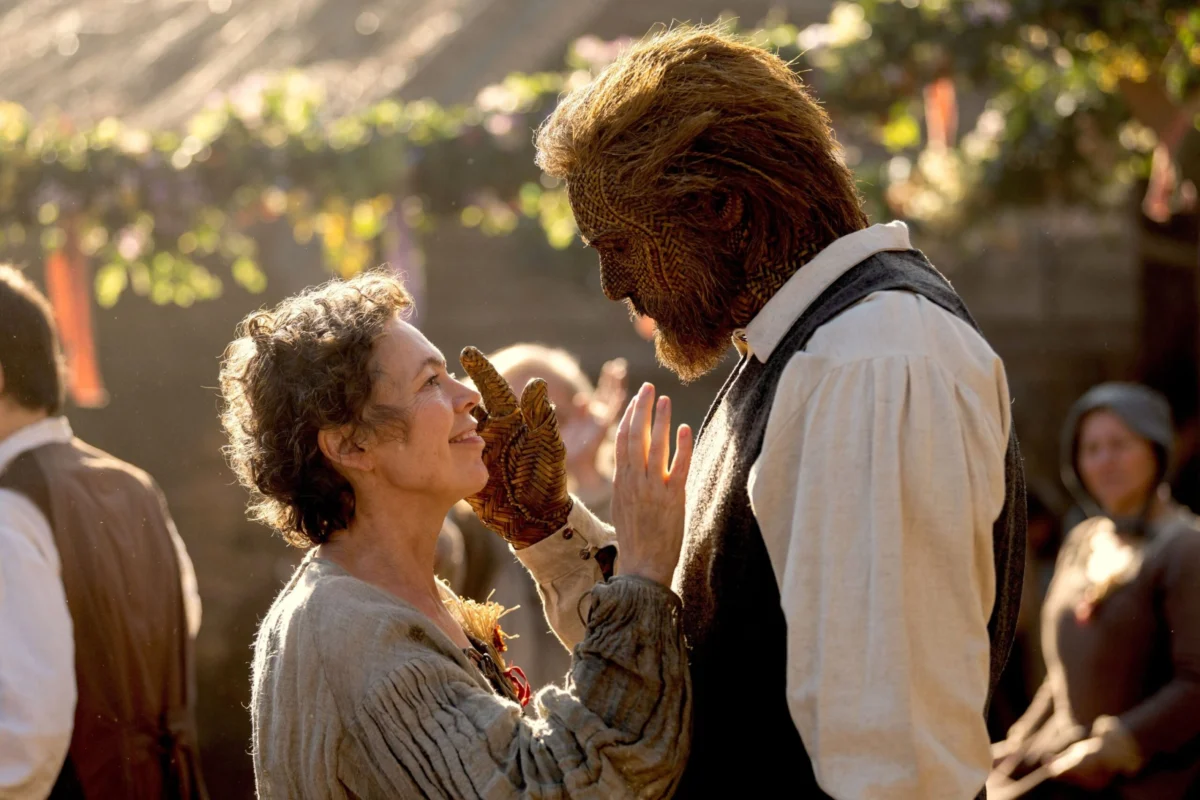
The cinematic landscape is currently abuzz with Wicker, the latest feature from directorial duo Alex Huston Fischer and Eleanor Wilson, which challenges traditional romantic narratives through its compelling portrayal of an unconventional bond. The film, starring Academy Award-winner Olivia Colman, has garnered significant attention for its audacious premise: a woman finding love and intimacy with a sentient figure constructed from wicker. Since its limited release, Wicker has sparked extensive critical discourse, provoked varied audience reactions, and positioned itself as a pivotal entry in the evolving genre of "unconventional romance" or "monster romance," signaling a broader cultural appetite for stories that defy traditional relational archetypes.
The Genesis and Production of an Unlikely Romance
The concept for Wicker originated from a collaborative effort between Fischer and Wilson, known for their distinctive independent filmmaking style that often blends surrealism with poignant human emotion. Development began in late 2021, with the script undergoing several revisions to meticulously craft the emotional depth required for such an extraordinary narrative. The central challenge, according to initial press materials released by the production company, was to render the relationship between a human protagonist and an inanimate object both believable and profoundly moving, avoiding caricature or mere shock value.
Casting Olivia Colman in the lead role was a strategic decision that immediately elevated the project’s profile. Colman, celebrated for her versatility and ability to imbue complex characters with profound humanity, was reportedly drawn to the script’s daring exploration of loneliness, desire, and acceptance. Her involvement lent instant credibility to a film that could easily have veered into absurdity. Principal photography commenced in early 2023, primarily in a secluded rural setting designed to emphasize the protagonist’s isolation and the nascent, intimate world she builds around her unconventional companion. The visual design of the wicker figure itself was a critical element, undergoing extensive conceptualization to achieve a form that was both abstract enough to represent an idea and tangible enough to elicit emotional connection. Special effects, both practical and subtle digital enhancements, were employed to give the wicker figure a nuanced presence without resorting to overt anthropomorphism, allowing Colman’s performance to drive the characterization.
Plot Overview and Thematic Exploration
Wicker centers on Agnes (Olivia Colman), a reclusive artist grappling with profound loneliness and a series of disappointing human relationships. Following a personal crisis, she retreats to a remote cottage, where she begins to craft intricate wicker sculptures as a form of therapy. One particular sculpture, intricately woven into a humanoid form, begins to exhibit subtle signs of consciousness, responding to Agnes’s touch and presence. What begins as a creative outlet gradually evolves into a deeply personal and intimate relationship.
The film meticulously portrays the progression of their bond, from initial curiosity and tentative interaction to genuine affection and passionate connection. Fischer and Wilson eschew explicit dialogue from the wicker figure, instead relying on Agnes’s emotional journey, Colman’s masterful non-verbal communication, and the subtle, almost imperceptible shifts in the wicker figure’s posture and form to convey its presence and responsiveness. This narrative choice forces the audience to engage directly with Agnes’s subjective experience, questioning the nature of consciousness, companionship, and love itself.
Thematically, Wicker delves into several profound areas. It explores the boundaries of love and attraction, suggesting that emotional fulfillment can be found in forms that challenge societal norms. It also touches upon themes of self-discovery, escapism, and the human need for connection in an increasingly isolated world. By presenting a relationship with a non-human entity, the film implicitly critiques the often rigid expectations placed on human relationships, offering a space where authenticity and unconditional acceptance can thrive. The film posits that perhaps the object of one’s affection is less important than the quality of the affection itself, and the personal transformation it inspires.

Critical Reception and Audience Engagement
Following its premiere at the Sundance Film Festival in late January 2024, Wicker immediately became a talking point among critics and industry insiders. Early reviews lauded the film’s originality and boldness, with particular emphasis on Olivia Colman’s courageous and nuanced performance. The Hollywood Reporter praised Colman for "delivering a performance of breathtaking vulnerability and conviction, transforming a potentially ludicrous premise into a deeply resonant character study." Variety noted the directorial prowess of Fischer and Wilson, stating that they "masterfully navigate the film’s delicate balance between whimsical fantasy and profound emotional realism, crafting a unique cinematic experience."
Aggregate review scores reflect this positive reception. On Rotten Tomatoes, Wicker currently holds an 88% "Certified Fresh" rating based on 175 reviews, with an average score of 7.6/10. The critical consensus highlights its "audacious concept, surprisingly tender execution, and Olivia Colman’s spellbinding portrayal of unconventional love." Metacritic, which assigns a weighted average score, gave the film a 79 out of 100, indicating "generally favorable reviews" from 42 major critics.
Audience reception, while generally positive, has been more polarized, as might be expected for a film with such an unconventional premise. Exit polls and social media discussions indicate a strong appreciation among viewers open to challenging narrative structures and character relationships. The film performed commendably in its limited theatrical release, grossing approximately $8.2 million domestically in its first four weeks, exceeding initial projections for an independent art-house feature. This success suggests a growing demographic of filmgoers actively seeking out unique and thought-provoking cinematic experiences that diverge from mainstream romantic comedies or dramas. The film’s strong word-of-mouth has been a significant factor, driven by impassioned discussions online and in film communities about its themes and implications.
The "Monster Romance" Phenomenon and Broader Context
Wicker arrives amidst a discernible cultural trend toward "monster romance" or "unconventional romance" narratives across various media, from literature to independent cinema. This genre, which explores romantic or sexual relationships between humans and non-human entities, often serves as a metaphor for challenging societal norms, embracing difference, and re-evaluating traditional masculinity and femininity. Films like Guillermo del Toro’s The Shape of Water (2017), which won the Academy Award for Best Picture, provided a high-profile precedent for the critical and commercial viability of such narratives. Wicker, however, pushes the boundaries further by presenting a partner that is not merely non-human, but seemingly inanimate, forcing a deeper introspection into the nature of connection.
Cultural commentators suggest that the rise of these narratives reflects a contemporary desire for relationships free from the complexities and often restrictive expectations of human-to-human dynamics. In a world grappling with increasing anxieties around social connection, identity politics, and evolving gender roles, fictional narratives offering simplified, idealized, or fundamentally different forms of companionship can be deeply appealing. The wicker figure, devoid of human ego, baggage, or judgment, represents an ultimate blank canvas onto which Agnes can project her desires for unconditional love and acceptance.
Furthermore, the film’s exploration of a woman’s desire for a non-human partner aligns with a broader feminist discourse in cinema, where female characters are increasingly depicted as having agency over their own desires and rejecting patriarchal relationship constructs. Agnes’s relationship with the wicker figure is entirely on her terms, unburdened by societal pressures or expectations of what a "proper" partner should be. This narrative choice empowers the protagonist and, by extension, female viewers, to redefine intimacy and fulfillment.
Statements from Key Figures
In a recent interview, director Alex Huston Fischer elaborated on the film’s core message: "We wanted to explore the idea that love isn’t confined to conventional forms. It’s about connection, understanding, and finding solace where you least expect it. The wicker figure represents the ultimate unconventional partner – one that truly listens and accepts without judgment, reflecting back the best parts of Agnes." Eleanor Wilson added, "Olivia was instrumental in bringing Agnes to life. Her ability to convey profound emotion through subtle gestures and expressions was crucial. She made the unbelievable believable, grounding the film in a raw, human experience."

Olivia Colman herself spoke about the challenges and rewards of the role: "When I first read the script, I was intrigued and a little daunted. How do you play opposite a pile of wicker and make it feel real? But that was the beauty of it. It forced me to dig deep, to find the universal human need for connection, and to project that onto something inanimate. It became a beautiful exercise in imagining love in its purest form, stripped of all the usual complications." She further commented on the film’s potential impact: "If Wicker encourages even one person to think differently about what love can be, or to find comfort in an unexpected place, then we’ve done our job."
Film critics have also weighed in on the film’s implications. Dr. Evelyn Reed, a cultural sociologist specializing in media studies, commented, "Wicker is more than just a quirky romance; it’s a potent commentary on modern isolation and the search for authentic connection. It challenges us to look beyond superficial appearances and societal constructs to understand the fundamental human need for companionship and acceptance. Colman’s performance is a masterclass in conveying that internal struggle and eventual triumph."
Broader Impact and Future Implications
Wicker is poised to leave a lasting mark on independent cinema and the broader cultural conversation surrounding relationships. Its success demonstrates a clear audience appetite for narratives that push boundaries and explore the complexities of human emotion in novel ways. The film’s unique blend of surrealism, drama, and romance could inspire a new wave of filmmakers to experiment with unconventional storytelling, particularly within genres traditionally bound by formulaic structures.
For Olivia Colman, Wicker further solidifies her reputation as one of the most daring and versatile actresses of her generation. Her willingness to embrace such an unusual role, and her ability to execute it with such depth and conviction, underscores her artistic fearlessness and commitment to challenging material. This performance is likely to be cited in future retrospectives of her career as a testament to her range and impact.
The film’s exploration of "monster romance" also has significant implications for how we perceive and discuss intimacy. By normalizing a relationship outside the human-to-human paradigm, Wicker subtly encourages viewers to question their own biases and expand their definitions of love and companionship. It implicitly champions acceptance of diverse forms of relationships, whether they be polyamorous, asexual, or, in this fictional case, inter-species or inter-material. This aligns with broader societal shifts towards greater inclusivity and understanding of varied human experiences.
As Wicker continues its theatrical run and prepares for digital and home video release, its influence is expected to grow. It stands as a testament to the power of original storytelling and the enduring human quest for connection, no matter how unconventional the form it takes. The film serves as a vibrant reminder that in the realm of art, and perhaps in life, the most profound experiences often emerge from the most unexpected places.
