
 By admin
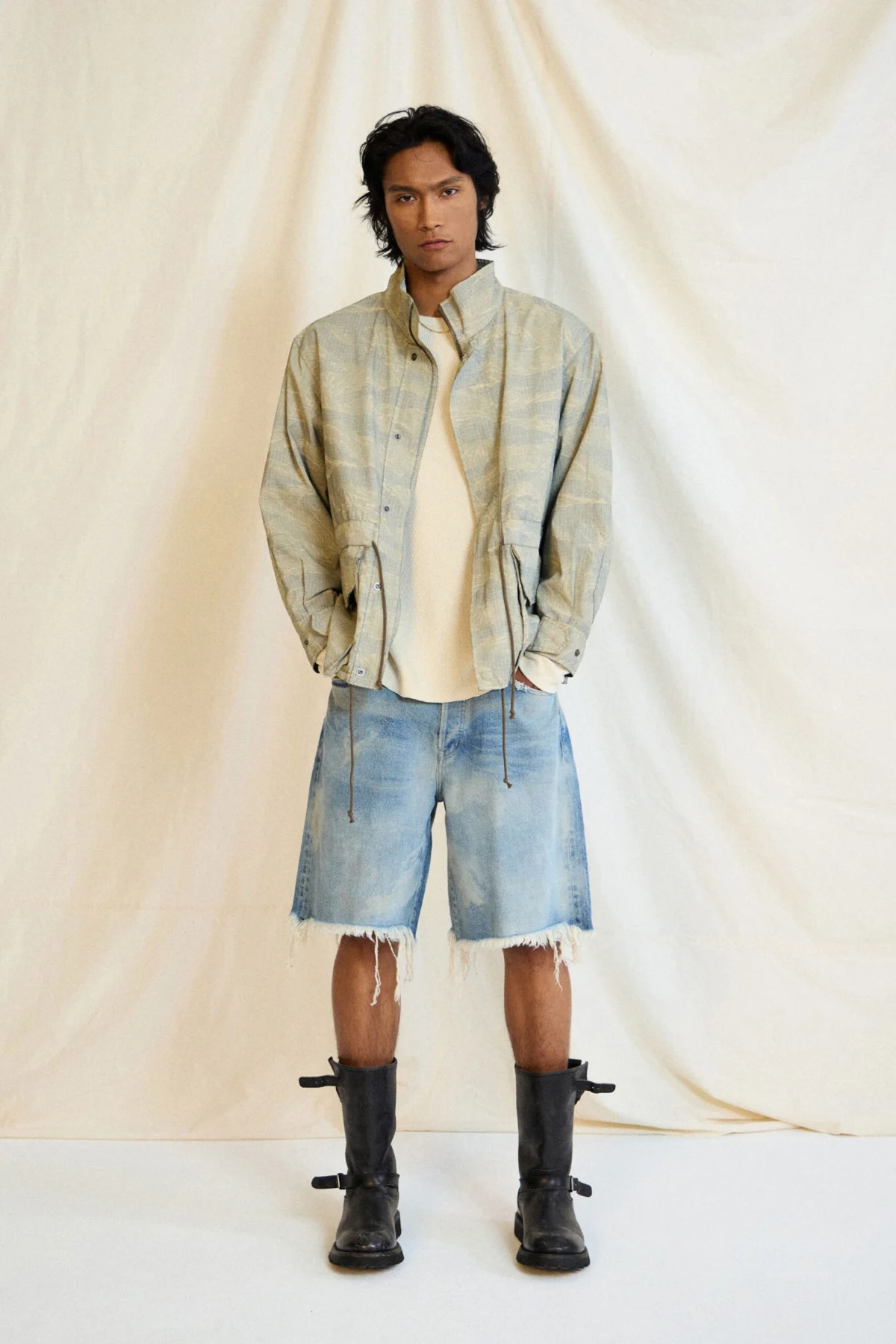
For his spring collection, LA-based designer John Elliott embarked on a reflective journey, pondering what, exactly, he could bring to his discerning customers that was genuinely new and distinct. This introspection, coming after 15 years of establishing a highly successful casual, cut-and-sew business built upon foundational pieces like premium denim, T-shirts, and sweats, alongside styles rooted in workwear and military aesthetics, led him to a singular conclusion: differentiation would come through pioneering fabric development. This strategic pivot inevitably led him to Japan, a global epicenter of textile innovation and the base of his co-founder, underscoring a commitment to pushing the boundaries of material science in fashion. "This is what we do best," Elliott stated, emphasizing the brand’s core strength in "getting to the yarn level and experimenting." This latest offering represents a significant evolution for the brand, meticulously blending its signature laid-back Californian sensibility with an unparalleled commitment to material research and artisanal craftsmanship, setting a new benchmark for elevated casual luxury.
The Genesis of Innovation: A Decade and a Half of Evolution
John Elliott launched his eponymous label in 2012, quickly carving out a niche in the burgeoning market for elevated basics. His initial vision was to create a modern men’s wardrobe that was both luxurious and functional, focusing on impeccable fit, high-quality materials, and a refined, understated aesthetic. Over the past decade and a half, the brand has become synonymous with a particular brand of Californian cool, characterized by its meticulous attention to detail in staple items like custom-milled terry sweats, innovative denim washes, and perfectly draped jersey tees. This consistent focus on core essentials, often imbued with subtle utilitarian or military influences, garnered a loyal following among consumers seeking premium quality and timeless design. The brand’s growth trajectory has mirrored the broader trend of luxury casualization, where high-end consumers increasingly prioritize comfort and versatility without compromising on quality or style. However, in an increasingly saturated market, where numerous brands vie for attention in the premium casualwear space, the pressure to innovate and offer something genuinely novel intensifies. Elliott’s recent endeavor signals a mature brand’s strategic response to this dynamic, moving beyond refinement of existing silhouettes to a fundamental reimagining of the very fabrics that define his collections.
The Japanese Connection: A Hub for Textile Excellence
The decision to focus heavily on fabric development, particularly in Japan, is a testament to the country’s unparalleled reputation in textile manufacturing and innovation. Japan has long been revered for its advanced weaving, dyeing, and finishing techniques, producing fabrics that are often superior in quality, texture, and durability. From historic denim mills in Okayama to cutting-edge synthetic fiber laboratories, Japanese textile artisans and engineers are known for their meticulous craftsmanship and willingness to experiment. Elliott’s collaboration with his Japan-based co-founder likely facilitated direct access to these specialized mills and factories, enabling a level of material research and development that would be challenging to achieve elsewhere. This geographical and collaborative advantage allowed Elliott to delve into what he termed a "wormhole" of material exploration, moving beyond conventional fabric sourcing to actively participate in the creation of unique textiles from the ground up. This approach is not merely about finding a new print or color, but about fundamentally altering the hand-feel, performance, and aesthetic properties of the fabric itself, creating a distinct product narrative rooted in technical superiority.
A Journey to the Yarn Level: Unveiling the Spring 2027 Collection’s Material Innovations
The extensive explorations undertaken by Elliott and his team yielded a remarkable array of custom-developed fabrics, each telling a story of intricate research and experimental artistry. These textile innovations form the backbone of the Spring collection, elevating familiar silhouettes through their unique material properties.
One of the standout developments is the pigment-coated ripstop. This fabric, traditionally known for its durability and resistance to tearing, has been reimagined with a unique pigment coating that imparts a distinct aesthetic. Elliott utilized this innovative material to craft roomy cargo shorts and a lightweight funnel-neck coat. The coat, featuring a bungee waist, was presented in a faded tiger camouflage, a pattern Elliott specifically admired for its "foggy texture." This "foggy" quality is a direct result of the pigment coating interacting with the ripstop weave, creating a softened, almost ethereal camouflage effect that departs from the sharp, defined lines typically associated with military patterns. The combination of the rugged ripstop with a refined, artistic coating exemplifies Elliott’s ability to bridge utilitarian design with elevated fashion.
Another significant innovation is the charcoal-dyed cotton. This particular cotton was used for an oversized shirt-jacket, a piece designed with a relaxed fit and an abundance of functional pockets. What sets this fabric apart are its "slightly patinated seams," an effect achieved through a specialized dyeing and finishing process that gives the garment a lived-in, vintage appearance right from its first wear. The charcoal dye provides a deep, rich hue that gains character with age, further enhancing the garment’s appeal to customers who value authenticity and longevity in their wardrobe staples. The oversized silhouette, a recurring theme in Elliott’s work, provides comfort and a contemporary edge, while the sophisticated fabric elevates it beyond a mere basic.
For shirting, Elliott introduced an easy shirting fabric in a pale plaid, crafted from a sophisticated silk noil-cotton blend. Silk noil, known for its nubby, slightly textured surface, combined with cotton, results in a fabric with a "wobbly, uneven texture." This deliberate imperfection lends the shirts a relaxed, organic feel, distinguishing them from conventionally smooth shirting fabrics. The pale plaid pattern complements this textural complexity, offering a subtle visual interest that aligns with the brand’s understated luxury aesthetic. The blend capitalizes on silk noil’s unique drape and breathability, making it ideal for spring wear, while the cotton component ensures comfort and durability.
Perhaps one of the most ambitious textile developments is the ridged twill that was coated in rubber and then stone washed until it broke down. This multi-stage process was applied to a jacket and workwear-style shorts, resulting in a fabric with a profoundly "weathered appearance." The initial rubber coating provides a protective, structured quality, while the subsequent stone washing meticulously breaks down this coating in specific areas, revealing the underlying twill and creating natural distressing. This labor-intensive technique yields garments that possess a unique tactile quality and a visually rich, aged patina, offering a narrative of wear and history from the moment they are acquired. It exemplifies the brand’s willingness to invest in complex finishing processes to achieve a truly distinctive product.
However, the pinnacle of Elliott’s fabric experimentation for this collection was undoubtedly the "ice-dyed" faded jeans. This highly innovative process involved freezing chemicals and water on denim and then allowing them to slowly melt. As the frozen mixture thaws, it interacts with the denim in unpredictable ways, creating a blurry, spill-like pattern that is utterly unique to each garment. This method is a radical departure from traditional denim washes and dyeing techniques, resulting in a painterly effect that transforms a utilitarian item into a wearable piece of art. Elliott’s excitement about this particular innovation underscores its significance as a testament to the brand’s commitment to pushing creative boundaries in textile design. The "ice-dyed" jeans represent a new frontier in denim aesthetics, offering a sophisticated alternative to conventional distressed or uniform washes.
Strategic Market Positioning: Balancing Innovation with Brand Heritage
While these experimental textiles represent a bold step forward for John Elliott, the designer remains keenly aware of his brand’s established appeal. The Spring collection is strategically designed to cater to both his "more adventurous customers" who seek novelties and his "diehards" who continue to covet his sportswear basics. This dual approach ensures that the brand maintains its core identity while simultaneously expanding its creative horizon. Familiar items like easy-cut jersey basics and oversized basketball shorts will still be available, providing a foundational offering that loyal customers have come to expect and rely upon. This balance is crucial for a brand of Elliott’s stature, allowing for creative exploration without alienating the established customer base that values consistency and comfort.
Elliott articulates this balance precisely: "I think it’s very wearable. I think it’s very elevated. It’s all in the nuances." This statement encapsulates the collection’s philosophy. The innovations, despite their technical complexity, are integrated into highly wearable silhouettes, ensuring that the garments remain accessible for everyday wear. The elevation comes from the unprecedented quality and unique properties of the fabrics, transforming seemingly simple items into pieces of sophisticated design. The "nuances" are the subtle yet profound differences that these custom-developed textiles bring—the specific hand-feel of the silk noil blend, the patinated seams of the charcoal-dyed cotton, the unique patterns of the ice-dyed denim. These details, though perhaps not immediately obvious to the casual observer, are deeply appreciated by the connoisseur who understands and values true craftsmanship and material innovation.
Broader Industry Impact and Future Implications
John Elliott’s Spring collection, with its strong emphasis on fabric development, reflects a broader trend within the fashion industry where material science is increasingly recognized as a key differentiator. In an era of heightened consumer awareness regarding sustainability, performance, and uniqueness, brands are investing heavily in research and development to create textiles that offer more than just aesthetic appeal. This approach signals a maturation of the casual luxury market, moving beyond logo-centric branding or mere silhouette tweaks to a deeper engagement with the fundamental components of clothing.
For competitors in the premium casualwear space, Elliott’s collection sets a new bar for innovation. Brands that traditionally relied on conventional materials and designs may feel pressure to explore similar avenues of textile development to remain competitive. This could spur further investment in sustainable materials, advanced manufacturing techniques, and collaborative partnerships with specialized textile mills worldwide. The focus on bespoke fabric creation also plays into the growing consumer demand for authenticity and exclusivity, offering a compelling narrative that distinguishes a brand from mass-produced alternatives.
Looking ahead, this strategic direction positions John Elliott not just as a designer of stylish clothing, but as an innovator in material culture. His commitment to "getting to the yarn level" suggests a long-term vision where the brand’s identity is intrinsically linked to its pioneering approach to textiles. This could lead to further collaborations with material scientists, expanding into performance wear or even exploring bio-engineered fabrics in the future. The Spring collection serves as a powerful statement that for John Elliott, the future of fashion lies as much in the threads we weave as in the designs we create. It is a testament to the idea that true luxury, especially in the casual realm, is increasingly defined by the unseen complexities and sophisticated engineering of its foundational materials. By meticulously crafting new textures, finishes, and dyeing processes, John Elliott is not just presenting a collection; he is offering a glimpse into the potential of textile innovation to redefine contemporary style.
