
 By admin
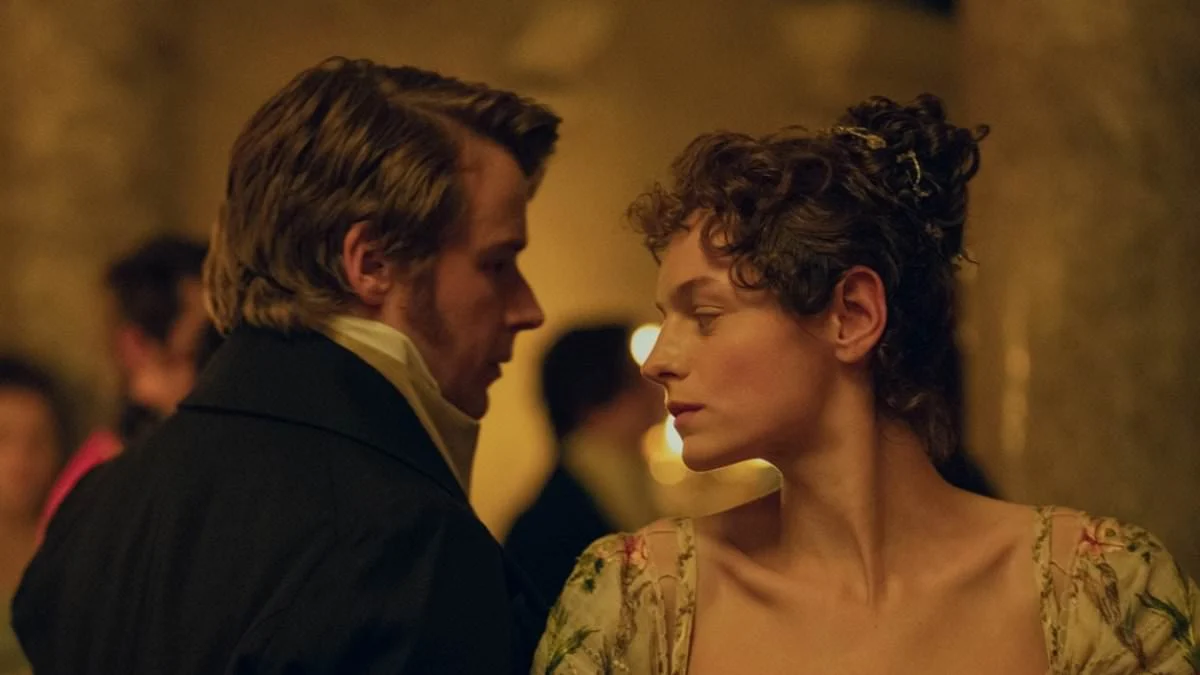
Netflix has officially unveiled the first trailer for its upcoming adaptation of Jane Austen’s classic novel Pride and Prejudice, providing audiences with an initial glimpse into a production that promises to blend Regency-era tradition with contemporary narrative sensibilities. The six-part miniseries, slated for a global release on December 3, marks a significant addition to the streaming giant’s portfolio of period dramas. Written by Dolly Alderton, the acclaimed author of Everything I Know About Love, the series stars Emma Corrin as the spirited Elizabeth Bennet and Jack Lowden as the enigmatic Mr. Darcy. The trailer release follows months of industry speculation regarding the tone and direction of this latest iteration of the 1813 literary masterpiece, which remains one of the most adapted works in the English language.
Casting and Creative Direction
The production features a high-profile ensemble cast that brings together established veterans and rising stars of British stage and screen. Emma Corrin, who achieved international recognition for their portrayal of Lady Diana Spencer in the fourth season of The Crown, takes on the role of Elizabeth Bennet. Corrin has described the opportunity as a "once-in-a-lifetime" experience, noting that they have long admired Elizabeth’s character for her wit and independence. Opposite Corrin, Jack Lowden—known for his roles in Dunkirk and the espionage series Slow Horses—portrays Fitzwilliam Darcy. Lowden’s involvement in the project coincides with intense media scrutiny regarding his potential future as the next James Bond; recent reports indicate that he was among a small group of actors participating in final screentests for the 007 franchise.
The trailer opens with the novel’s iconic prologue, delivered by Academy Award winner Olivia Colman, who portrays the Bennet family matriarch, Mrs. Bennet. The footage highlights the central conflict between Elizabeth and Darcy, showcasing their initial verbal sparring and the slow evolution of their relationship from mutual disdain to romantic attraction. Supporting roles are filled by a cast of notable performers, including Rufus Sewell as the detached Mr. Bennet and Fiona Shaw as the formidable Lady Catherine de Bourgh. The comedic elements of the story are anchored by Jamie Demetriou as the sycophantic clergyman Mr. Collins, whose attempts to navigate the social hierarchies of the landed gentry are depicted as awkward and ill-fated.
The Adaptation Process and Narrative Strategy
Dolly Alderton’s involvement as the lead writer has been a point of significant interest for literary critics and fans of the genre. In a recent feature for British Vogue, Alderton detailed the challenges of condensing Austen’s 400-page narrative into a six-episode format. She revealed that the writing process involved numerous drafts, including a discarded version she jokingly referred to as the "horny tree" draft, which utilized heavy-handed botanical metaphors for the attraction between the lead characters.
To ensure the script remained grounded in the necessary period authenticity while remaining accessible to modern viewers, Alderton sought counsel from Dame Emma Thompson. Thompson, who won an Academy Award for her screenplay of the 1995 adaptation of Sense and Sensibility, provided Alderton with several "pearls of wisdom." These included the importance of precise casting, the necessity of a skilled comedy editor, and a warning against the temptation to over-score the production, allowing the dialogue to maintain its own rhythm. Thompson also emphasized the need to make the high stakes of marriage—which in the 19th century was a matter of economic survival for women—clear to a contemporary audience who may not inherently understand the social constraints of the era.
Critical Reception and Comparison to Previous Works
The release of the trailer has reignited comparisons to previous adaptations, most notably the 1995 BBC miniseries starring Colin Firth and Jennifer Ehle. That version became a cultural phenomenon, largely due to Firth’s portrayal of Darcy and the famous "wet shirt" scene, which is absent from the original text but became a defining moment for the character. Early reports from production insiders, however, suggest that the Netflix version may take a more restrained approach to the central romance.
According to sources cited by The Daily Mail, the new adaptation has been described by some early viewers as "sexless," with claims of a lack of chemistry between the lead actors. One insider characterized Lowden’s Darcy as "grumpy" and criticized the production’s styling choices, specifically regarding the wigs and neckties. These reports suggest that the series may prioritize the psychological and social complexities of the characters over the overtly romanticized tropes seen in more recent period dramas like Bridgerton. Despite these internal critiques, the trailer emphasizes the "sweeping romance" and the visual grandeur of the production, featuring lush cinematography of the English countryside and meticulously choreographed Regency dance sequences.
Production Chronology and Timeline
The development of the Netflix series follows a strategic timeline aimed at capturing the winter viewing market.
- Pre-production (Late 2023 – Early 2024): Casting was finalized, and Dolly Alderton began the scriptwriting process, consulting with historical advisors and literary experts.
- Principal Photography (Mid-2024): Filming took place across various locations in the United Kingdom, utilizing historic estates to recreate the Bennet home at Longbourn and the Darcy estate at Pemberley. During this period, the cast reportedly formed a close bond, with Olivia Colman organizing a retreat to foster the familial chemistry required for the Bennet sisters.
- Trailer Release (Late 2024): The debut footage was released globally to gauge audience reaction and build momentum for the December premiere.
- Premiere (December 3, 2024): All six episodes are scheduled to be released simultaneously on Netflix.
The 2026 release cycle—following the 2024/2025 production window—is being viewed by historians as a "replay" of 1995. That year saw the simultaneous success of the Pride and Prejudice television series and the Sense and Sensibility feature film, marking a peak in "Austen-mania." Netflix appears to be aiming for a similar cultural resurgence by positioning this adaptation as a "faithful" yet fresh take on the source material.
Broader Cultural Impact and Market Implications
The decision to adapt Pride and Prejudice again reflects a broader trend in the entertainment industry where established intellectual property (IP) is leveraged to attract global audiences. For Netflix, the series represents an attempt to capture the demographic that gravitates toward high-quality British drama and literary adaptations. The "Bridgerton effect" has demonstrated a massive appetite for Regency-era content, but while Bridgerton leans into anachronistic music and heightened sexuality, Alderton’s Pride and Prejudice is being marketed as a more grounded, text-focused interpretation.
The inclusion of actors like Daryl McCormack (Mr. Bingley), Freya Mavor (Jane Bennet), and Rhea Norwood (Lydia Bennet) highlights a commitment to featuring a diverse range of talent within the traditional framework of the story. Furthermore, the casting of Jamie Demetriou and Olivia Colman suggests a focus on the satirical wit that Jane Austen was famous for, potentially moving the series away from the purely romantic focus of some previous adaptations.
Analysis of Potential Outcomes
The success of the series will likely hinge on whether audiences accept Corrin and Lowden as the definitive Elizabeth and Darcy of the 2020s. Every generation has its preferred iteration of these characters, and the shadow of the 1995 and 2005 versions looms large. If the reports of a "sexless" production hold true, the series may face criticism from viewers accustomed to the heightened passion of modern period pieces. Conversely, a more intellectual and faithful approach could satisfy "Janeites"—the dedicated fanbase of Austen’s work—who often prioritize narrative accuracy over modern embellishments.
Furthermore, the series serves as a critical test for Dolly Alderton’s transition from contemporary memoir and fiction to period screenwriting. Her ability to translate Austen’s irony and social commentary into a format that resonates with the "streaming era" will be a key metric of the show’s success. As the December 3 release date approaches, the industry will be watching to see if this adaptation can justify its place in the crowded landscape of Austen-inspired media and if it can successfully introduce these 200-year-old characters to a new generation of viewers.
