
 By admin
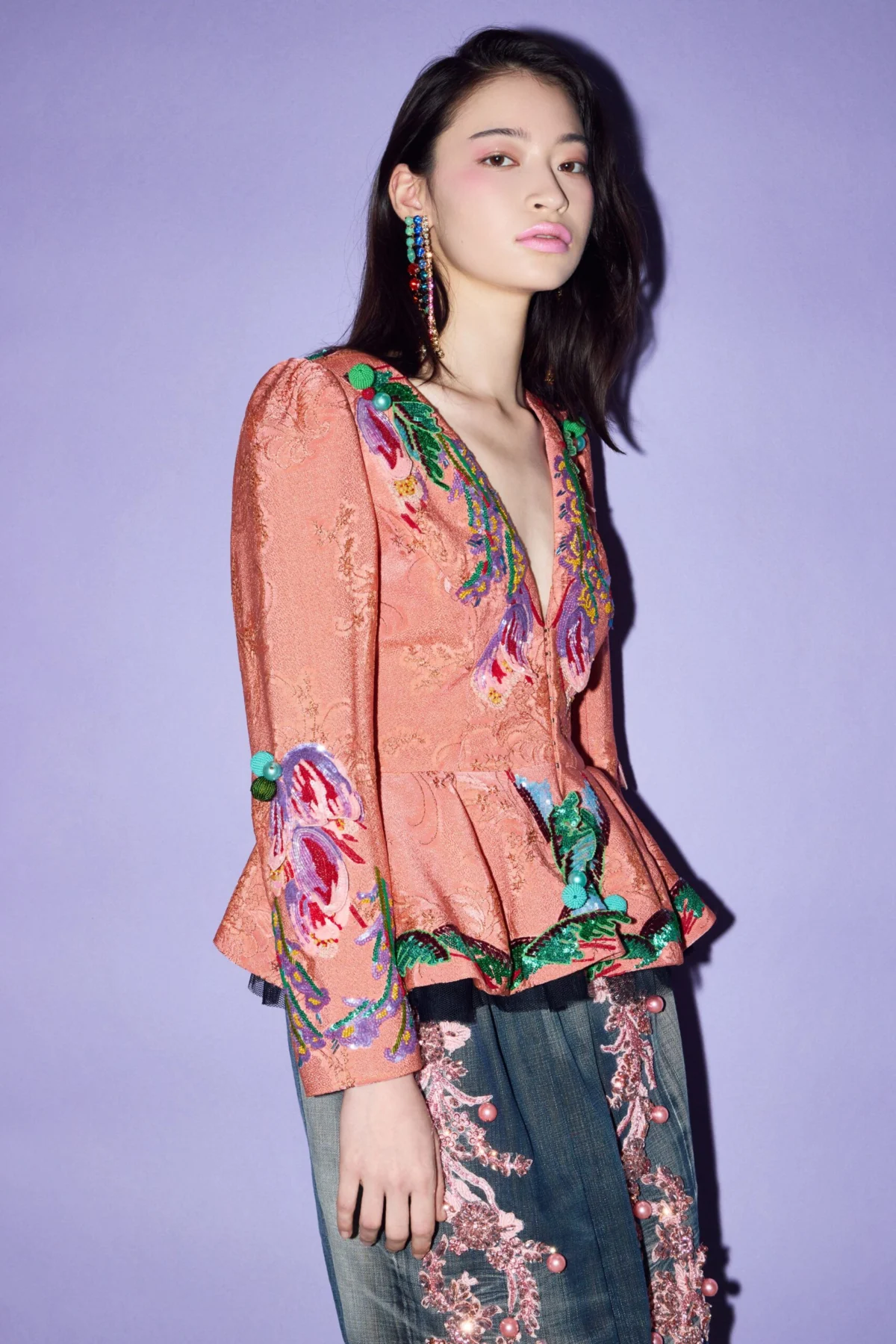
In a highly anticipated follow-up to their acclaimed spring collection, Australian design duo Luke Sales and Anna Plunkett, the visionary minds behind the idiosyncratic label Romance Was Born, have unveiled their latest offering, colloquially dubbed "part two." This new sartorial chapter, announced by Sales via FaceTime from Rome, represents a deeper dive into the rich tapestry of inspiration first discovered within an antique wallpaper scrapbook housed in the Powerhouse Museum Archive, an institution where the brand notably maintains its creative studio. While the initial spring collection leaned into a more formal aesthetic, this subsequent release pivots towards a distinctively celebratory and "party" mood, albeit retaining the brand’s signature elevation and avoiding any true casualisation, despite a fleeting appearance of denim. The continuous exploration of intricate textile development and a narrative-driven design process underscores Romance Was Born’s commitment to craftsmanship and thematic depth.
The Genesis of Inspiration: A Deep Dive into the Powerhouse Archive
At the heart of Romance Was Born’s distinctive aesthetic lies a profound reverence for historical artefacts and an unparalleled ability to translate archival discoveries into contemporary fashion narratives. The Powerhouse Museum, a cornerstone of Australian cultural heritage, is renowned for its vast and eclectic collections spanning science, technology, design, and decorative arts. For a brand like Romance Was Born, which thrives on visual richness and storytelling, having a studio within such an institution offers an invaluable nexus of inspiration and research. This unique arrangement grants Sales and Plunkett unparalleled access to a treasure trove of historical textiles, design prototypes, and, crucially for this collection, antique paper ephemera.
The specific catalyst for both the preceding spring collection and this latest "part two" offering is an antique wallpaper scrapbook. These scrapbooks, often compiled by designers, decorators, or even enthusiasts from past centuries, serve as invaluable historical documents, showcasing prevailing aesthetic tastes, printing techniques, and popular motifs across different eras. For Sales and Plunkett, this particular scrapbook evidently proved to be an inexhaustible wellspring, providing a dense mosaic of patterns, textures, and colour palettes. The decision to dedicate not one but multiple collections to this singular source speaks volumes about the depth of its content and the designers’ methodical approach to creative exploration. Rather than simply extracting isolated patterns, the duo appears to be dissecting the scrapbook’s entire visual language, translating its historical layers into a modern fashion context that is both referential and utterly original. This methodology allows for a sustained narrative, enabling them to explore different facets and moods inherent in the original material, avoiding the superficiality that can sometimes accompany single-season archival nods.
From Formal Spring to Festive "Part Two": A Shifting Sartorial Mood
The initial spring collection, released just two months prior, laid the groundwork with a more structured and formal sensibility, perhaps reflecting the stately grandeur often associated with historical interior design. Its emphasis likely resided in more tailored silhouettes and refined interpretations of the wallpaper motifs. "Part two," however, signals a deliberate shift towards a more exuberant and festive spirit. This transition is not a radical departure but rather an organic evolution, demonstrating the versatility of the core inspiration. It suggests that the designers are exploring the different social contexts in which wallpaper designs might have been admired—from formal drawing rooms to lively ballrooms.
Despite this pivot to a "party" aesthetic, Sales was quick to clarify that the collection maintains an elevated character, eschewing genuine casualness. This nuance is crucial to understanding Romance Was Born’s brand identity. Their "funky" label is not synonymous with irreverence or disregard for traditional craftsmanship; rather, it signifies an unconventional and playful approach to luxury. Even the fleeting glimpse of denim, a fabric historically associated with utilitarianism and casual wear, is likely recontextualized and elevated through the brand’s signature embellishments and sophisticated tailoring, transforming it into an item suitable for celebratory occasions.
Textural Richness and Maximalist Embellishment: The Hallmarks of "Part Two"
The defining characteristic of Romance Was Born’s "part two" collection is its uncompromising commitment to textural richness and maximalist embellishment. The designers’ assertion that "throughout the entire collection, there is no solid-colored, unadorned piece" serves as a powerful testament to this philosophy. This is not minimalism or quiet luxury; it is a celebration of surface, detail, and intricate handwork.
Embroidery and Jacquard: These two textile techniques remain central to the collection’s identity, serving as the primary vehicles for translating the complex patterns of the antique wallpaper. Embroidery, with its tactile dimensionality and artisanal quality, allows for a literal interpretation of floral motifs, geometric patterns, and figurative elements found in the archival source. Each stitch contributes to a sense of bespoke luxury, highlighting the hours of meticulous craftsmanship invested in each garment. Jacquard, on the other hand, involves weaving patterns directly into the fabric, creating a rich, often iridescent, surface that changes with movement and light. This technique is particularly effective for reproducing the intricate, often repetitive, designs characteristic of wallpaper, giving the garments a tapestry-like quality and a profound sense of heritage. The interplay between surface-applied embroidery and integrated jacquard patterns creates a multi-layered visual experience that is both deep and dynamic.
Dangling Flora and Wispy Feathers: These elements introduce a whimsical, almost fantastical, dimension to the collection. The "dangling flora" suggests three-dimensional appliqué or intricate beading that mimics blossoms and leaves, creating movement and an organic fluidity that contrasts with the structured nature of some garments. This adds a delicate, ethereal quality, as if the garments are alive with botanical growth. Similarly, "wispy feathers" circling hemlines, collars, and cuffs infuse a sense of lightness, luxury, and playful drama. Feathers, historically associated with haute couture and theatrical costumes, elevate the garments beyond everyday wear, imbuing them with an air of sophisticated fantasy suitable for a "party" setting. The strategic placement of these embellishments ensures they enhance rather than overwhelm the underlying designs.
Black and Navy Lace: Introducing a darker, more sophisticated edge, black and navy lace provides a counterpoint to the more overtly whimsical elements. Lace, with its delicate yet complex structure, can evoke both fragility and strength. Its application as a "floral embroidered dress with a slit up the front" suggests a blend of romanticism and contemporary allure, the slit adding a modern, daring touch. Conversely, its use as "demure trim on a funky green vintage-inspired set" demonstrates its versatility, capable of softening and refining a bolder print or silhouette while still contributing to the overall sense of intricate detail. The choice of black and navy ensures a level of classic elegance that anchors the more flamboyant aspects of the collection.
Specific Garment Highlights: The article offers tantalizing glimpses of key pieces that exemplify the collection’s ethos. A "mock-neck striped button-down" suggests a foundation of classic tailoring, elevated by the addition of "dangling flora," transforming a conventional garment into a wearable art piece. The aforementioned "floral embroidered dress with a slit" hints at evening wear or special occasion attire that combines historical elegance with contemporary sensuality. The "funky green vintage-inspired set" points to a playful embrace of retro aesthetics, likely featuring bold prints and unique silhouettes, further enhanced by the "demure trim" of lace. Even the "fleeting glimpse of denim" implies an artistic reinterpretation of a casual staple, perhaps featuring the brand’s signature embroidery or unique cuts, thereby aligning it with the collection’s elevated, party-ready theme.
The Designers’ Creative Philosophy: Spreading Out Ideas
Luke Sales’ comments on the brand’s creative process offer valuable insight into their strategic approach to design and collection releases. "I just think when we do something, we have so many ideas and it’s so hard to condense them all into one collection," he explained. This statement elucidates why Romance Was Born often pursues themes across multiple offerings rather than adhering strictly to conventional seasonal drops that demand a complete thematic overhaul each time. This methodology allows for a more comprehensive and nuanced exploration of a singular source of inspiration, such as the antique wallpaper book.
"It’s nice to be able to spread it out and take our time with something and really explore it and really see it all through," Sales continued. This reflects a commitment to depth over breadth, enabling the designers to delve into every facet of their chosen motif. In an industry often dictated by rapid cycles and consumer demand for constant novelty, Romance Was Born’s approach stands as a refreshing counter-narrative. It prioritizes artistic integrity, meticulous development, and a slow-fashion ethos that values craftsmanship and narrative longevity. This also allows them to manage the considerable effort involved in producing highly embellished garments, distributing the creative and production workload over a longer period.
A Broader Impact: Sustainability, Craftsmanship, and Brand Identity
This serial collection release strategy carries several implications. Firstly, it subtly aligns with emerging trends in fashion sustainability. By deeply exploring a single inspiration source over an extended period, the brand can potentially reduce the pressure for entirely new textile developments each season, allowing for more focused material sourcing and development. It also fosters a sense of continuity for their dedicated wearers, creating a cohesive universe rather than disconnected seasonal statements.
Secondly, it reinforces Romance Was Born’s reputation as master storytellers and artisans. Their emphasis on embroidery, jacquard, and other intricate details positions them at the forefront of contemporary craftsmanship. In an era where mass production often dominates, their dedication to elaborate, often hand-finished, garments elevates them to a unique niche, appealing to consumers who value artistry, exclusivity, and garments with a distinct narrative.
Finally, this approach strengthens the brand’s unique identity. Romance Was Born has consistently defied easy categorization, blending art, fashion, and fantasy into a distinctive aesthetic. By committing to extended thematic explorations, they solidify their position as innovators who operate on their own terms, driven by creative vision rather than fleeting trends. This creative autonomy is a significant part of their appeal, attracting a loyal following who appreciate their maximalist philosophy and their ability to transform historical artefacts into wearable works of art.
Looking Ahead: The Unfolding Narrative of Textile Development
Sales’ final comment, that these last two collections "only scratch the surface of the lengthy antique wallpaper book," offers an exciting glimpse into Romance Was Born’s future trajectory. It unequivocally signals that dedicated wearers and fashion enthusiasts can anticipate "much more textile development in the coming year" stemming from this singular, rich source. This foreshadows a multi-chapter narrative that will continue to unfold, offering diverse interpretations and explorations of the wallpaper archive’s patterns, textures, and historical resonance.
This long-term engagement with a single inspirational source is a hallmark of truly visionary design, allowing for an organic evolution of ideas and a deeper understanding of the material’s potential. It promises that Romance Was Born will continue to deliver collections that are not merely seasonal offerings but rather ongoing dialogues between history, art, and contemporary fashion, cementing their legacy as one of the most creatively compelling brands in the global fashion landscape. The "part two" collection is not just a release; it is another vibrant chapter in an unfolding sartorial epic.
