
 By admin
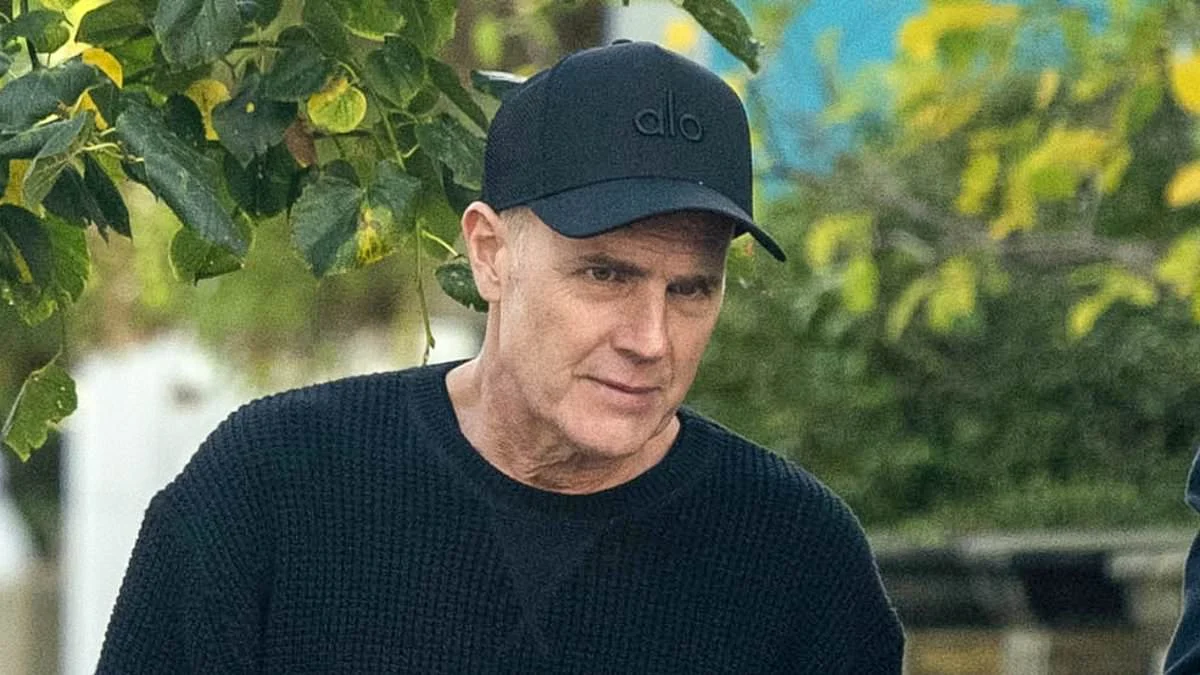
Gary Barlow’s recent appearance in London marks a significant transition point for the singer-songwriter as he shifts from the high-intensity environment of a global stadium tour to the disciplined atmosphere of the recording studio. The 55-year-old Take That frontman was observed in Notting Hill on Monday, engaging in a period of recuperation following what he described as a physically taxing concert series that pushed the boundaries of his endurance. This public outing, characterized by a relaxed demeanor and casual attire, follows a series of candid admissions regarding the age-related challenges of maintaining a peak performance schedule in the fifth decade of his life.
Accompanied by wine expert and social media personality Tom Gilbey, Barlow visited Dorian, a prominent restaurant in West London. The choice of companion is notable, given Barlow’s own expanding business interests in the viticulture industry, specifically his "Gary Barlow Wines" label. Dressed in a black jumper, tracksuit bottoms, and a baseball cap, the singer’s understated appearance stood in stark contrast to the elaborate costumes and high-energy choreography that defined his recent months on the road. The meeting appears to be part of a broader return to normalcy for the artist, who recently concluded a demanding run of shows that saw Take That perform across various international territories.
The Physical Reality of the Modern Tour
The catalyst for Barlow’s recent reflections was the conclusion of the "This Life Under the Stars" tour, which culminated in a final performance in Dublin this past July. While the tour was a commercial and critical success, Barlow utilized social media to offer a rare glimpse into the physical toll such an undertaking requires. In a series of statements posted to X (formerly Twitter) and Instagram, he admitted that the rigors of the show—referred to in certain contexts by the singer as a revival of the "Circus" level of production—presented challenges that he had not encountered during his younger years.
Barlow noted that he was 38 years old when he originally performed shows of this magnitude and complexity. Now, at 55, he acknowledged that the physical demands have reached a threshold. "I just can’t see a way I could physically do this show again," he shared with his followers, suggesting that future Take That live experiences may need to be recalibrated to align with the performers’ current physical capacities. This admission highlights a growing trend among veteran pop stars who must balance the fan expectation for high-octane spectacle with the biological realities of aging.
Strategic Recovery and the Wellness Journey
Recognizing the necessity of a structured recovery period, Barlow transitioned from the "tour bubble" to a period of intensive rejuvenation. This included a high-profile family holiday to the luxury One&Only Palmilla resort in Los Cabos, Mexico. The resort is renowned for its privacy and wellness-focused amenities, providing the necessary environment for the singer to "breathe" and reset. During this period, Barlow shared updates on his fitness, emphasizing that maintaining a toned physique is no longer just about aesthetic appeal but is a functional requirement for his career longevity.
The singer’s commitment to physical health is not a recent development. Prior to the commencement of the tour in May, Barlow reportedly invested significantly in his physical preparation. In December, he was confirmed to be utilizing the facilities at the Lanserhof at The Arts Club, an elite wellness clinic in London. With annual memberships starting at £6,500 and initial joining fees of £1,500, the facility offers cutting-edge medical and fitness support, including cryotherapy, vitamin infusions, and personalized training protocols. This level of investment underscores the professionalization of the modern pop star’s health regimen, treating the body as a high-performance instrument that requires specialized maintenance.
The Evolution of Take That’s Legacy
Take That’s journey from a 1990s boy band to a premier adult-contemporary touring act is nearly unparalleled in the British music industry. Now 35 years into their career, the current trio—consisting of Barlow, Howard Donald, and Mark Owen—continues to command massive audiences. The recent tour was described by Barlow as their "best ever," a statement backed by ticket sales and the enduring loyalty of a multi-generational fan base.
However, the "different" feeling Barlow associated with the end of this tour suggests a shift in the band’s internal philosophy. Historically, Take That tours have been synonymous with logistical grandiosity, featuring giant mechanical elephants, 60-foot robots, and complex aerial acrobatics. Barlow’s recent comments indicate that "The Circus"—a metaphor for these high-concept, physically draining productions—may finally be put to rest. The implication is not a cessation of performing, but rather an evolution toward a style of live show that prioritizes musicality and connection over extreme physical stunts.
Future Projects and Studio Deadlines
With the tour concluded and his physical health stabilized, Barlow has pivoted his focus toward the completion of Take That’s next studio album. The recording process, which he described as "never easy," is currently in its final stages. Barlow noted that the concluding phase of album production is often the most precarious, as artists tend to "second-guess" their creative decisions.
The upcoming album is a critical component of the band’s strategy to maintain relevance in a rapidly changing music market. By setting firm deadlines, Barlow aims to deliver a product that resonates with both long-term fans and newer listeners. Furthermore, he hinted at "very exciting plans" for the band’s European audience, suggesting that while the massive "Circus" style of touring may be concluding, the band’s international footprint is set to expand with new formats or residency-style engagements.
Broader Implications for the Music Industry
Gary Barlow’s candidness regarding age and the physical limits of touring serves as a bellwether for the industry at large. As the cohort of 1990s and 2000s superstars enters their 50s and 60s, the "Rolling Stones model" of indefinite touring is being scrutinized through the lens of modern sports science and wellness.
The financial stakes are high. Touring remains the primary revenue driver for established artists in the streaming era. However, the risk of burnout or injury can derail multi-million-pound ventures. Barlow’s approach—utilizing elite wellness clinics, taking deliberate breaks in high-end recovery environments, and being honest with the fan base about physical limitations—provides a blueprint for how legacy acts can navigate the "third act" of their careers.
Chronology of Recent Events
To understand Barlow’s current position, a timeline of the past year reveals a calculated balance between work and wellness:
- December 2023: Commencement of intensive physical conditioning at Lanserhof, London, preparing for the upcoming tour.
- May 2024: Launch of the "This Life Under the Stars" tour, involving a high-frequency schedule of stadium and arena shows.
- July 2024: Final tour date in Dublin. Barlow issues an emotional statement regarding the physical toll and the potential end of high-concept "Circus" tours.
- August 2024: Extended recovery period in Los Cabos, Mexico. Focus on family downtime and mental "decompression."
- September 2024: Return to London. Resumption of studio work for the new Take That album and public appearances in Notting Hill.
Conclusion: A Disciplined Path Forward
As Gary Barlow navigates the streets of London and the complexities of the recording studio, his trajectory reflects a disciplined and pragmatic approach to fame. By acknowledging the "heavy heart" with which he leaves certain types of performance behind, he manages fan expectations while ensuring he can continue to contribute to the music industry for years to come.
The transition from the "tour bubble" to the "studio bubble" is more than just a change in schedule; it is a strategic move to preserve his health and creative integrity. With a new album on the horizon and potential European ventures in the works, Barlow’s career remains in a state of active evolution, proving that while the "Circus" may be over, the artistry of Take That is far from its final curtain call. The integration of lifestyle interests, such as his wine ventures, and a commitment to high-level wellness suggests that Barlow is not merely aging in the spotlight, but is actively designing a sustainable future for himself and his bandmates.
