
 By admin
The Maredamare International Beachwear Show, held annually at the historic Fortezza da Basso in Florence, serves as a critical barometer for the global swimwear industry, offering a comprehensive overview of the aesthetic and technical trajectories defining the market. The most recent edition, concluded this past July, underscored a significant paradigm shift in the sector: the transition of beachwear from functional seasonal attire to a versatile component of the high-fashion wardrobe. For leading Italian designers, the traditional swimsuit is no longer a standalone product but the foundation of a broader lifestyle narrative, where the boundaries between beachwear, lingerie, and evening resortwear are increasingly fluid. This evolution is driven by an emphasis on "Made in Italy" craftsmanship, characterized by sophisticated construction, artisanal detailing, and a refusal to adhere to the homogenized trends of the fast-fashion cycle.
The Strategic Importance of Maredamare in the Global Fashion Calendar
Maredamare is organized by Underbeach and has established itself as the premier Italian platform for beachwear, accessories, and resortwear. The event attracts thousands of international buyers, journalists, and industry professionals, providing a specialized environment for the presentation of Spring/Summer collections. The July timing is strategic, allowing brands to secure orders for the following year’s retail season while providing a first look at the innovations in fabric and design that will dominate the Mediterranean and global markets.
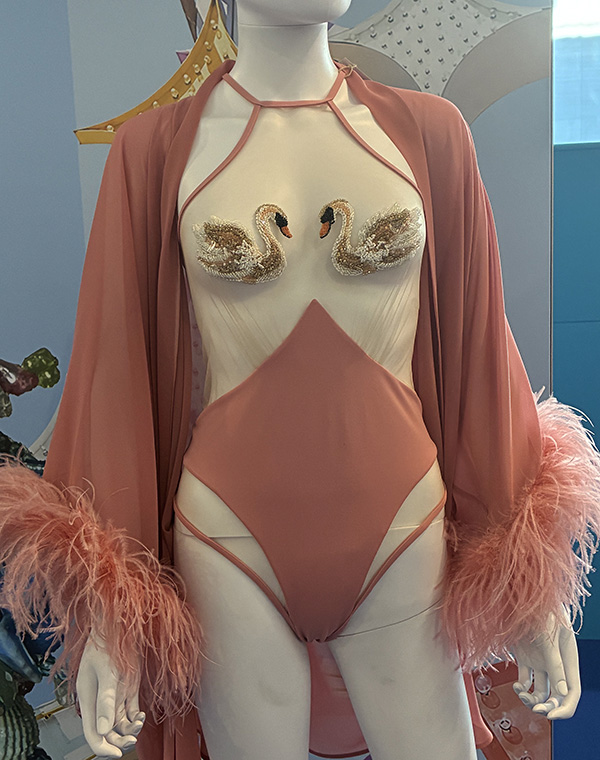
The recent exhibition highlighted a growing trend toward "multipurpose" garments. Industry analysts note that the rise of the "bleisure" traveler—those combining business and leisure—and the expansion of luxury cruise and resort markets have created a demand for apparel that functions across various social settings. At Maredamare, this was evidenced by the prevalence of "beach-to-aperitivo" ensembles, where a one-piece swimsuit is engineered to double as a sophisticated bodysuit, and lightweight kaftans are designed with the structural integrity of evening gowns.
Chronology and Historical Context of the Italian Beachwear Sector
The Italian beachwear industry has its roots in the post-war economic boom, particularly during the 1950s and 60s, when the "Dolce Vita" era established Italy as a global center for summer style. Brands like Pierre Mantoux, which began as a hosiery specialist in 1932, and later entries like Pin-Up Stars, have contributed to a legacy of technical excellence. Over the decades, the industry has transitioned from small artisanal workshops to a sophisticated manufacturing ecosystem that balances heritage techniques with modern textile technology.
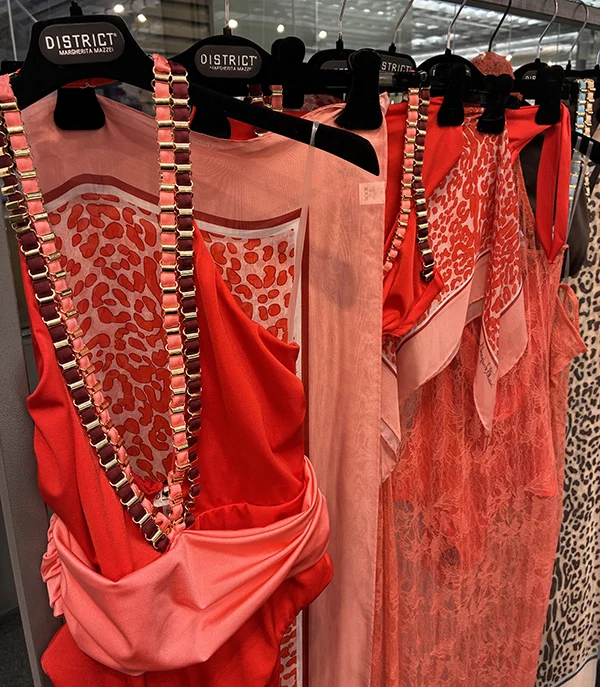
In the 1990s, the market saw the emergence of specialized labels such as District Margherita Mazzei, which integrated the structural principles of corsetry into swimwear. This period marked the beginning of the "couture beachwear" movement, which prioritized fit and form-shaping properties. By the 2010s, the focus shifted toward sustainable materials and the incorporation of traditional crafts like macramé and hand-embroidery into industrial production, a trend that reached its zenith at the most recent Florence show.
Market Data and Economic Indicators
The Italian fashion industry remains a cornerstone of the national economy, with the beachwear and hosiery segments contributing significantly to export figures. According to data from the Italian Textile and Fashion Federation (Sistema Moda Italia), the beachwear sector has shown resilience in the face of global economic volatility.
Key statistics reflecting the current state of the industry include:
- Export Growth: Italian beachwear exports have seen a steady annual increase, with major markets including France, Germany, and the United States.
- Sector Valuation: The Italian beachwear market is estimated to be worth over €600 million at the retail level, with high-end artisanal brands accounting for a growing share of luxury sales.
- Consumer Shift: Recent consumer surveys indicate that 65% of luxury beachwear buyers prioritize "versatility" and "durability" over low price points, supporting the premium positioning of Italian designers.
- Innovation Investment: Italian mills continue to lead in the development of eco-friendly fabrics, including recycled nylon (ECONYL) and chlorine-resistant elastanes, which were prominently featured by exhibitors at Maredamare.
Profiles in Artisanal Excellence: Mazzei, D’Angelo, and Tommolini
The individuality of the Italian approach was most clearly articulated through the work of three distinct designers: Margherita Mazzei, Raffaela D’Angelo, and Jerry Tommolini. Each represents a different "language" of Italian design, yet they are united by a common reliance on deep-rooted artisanal knowledge.
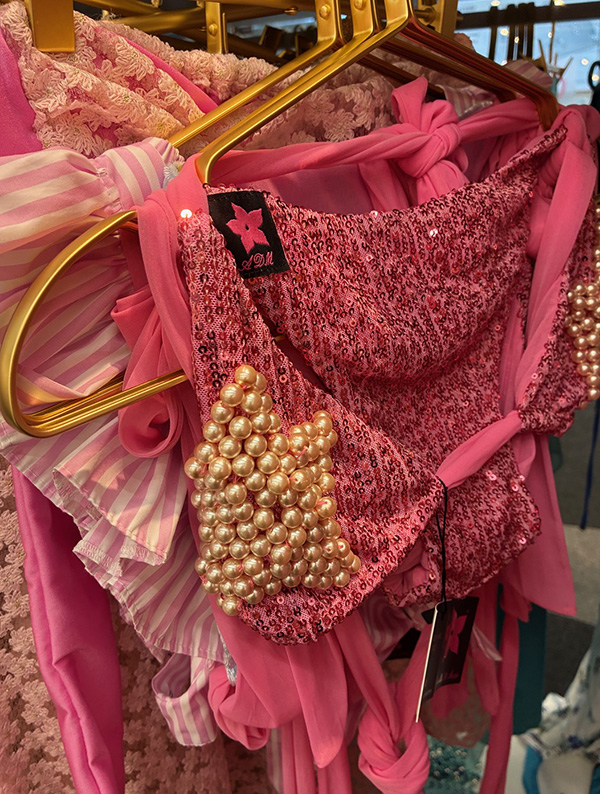
Margherita Mazzei: The Architecture of the Silhouette
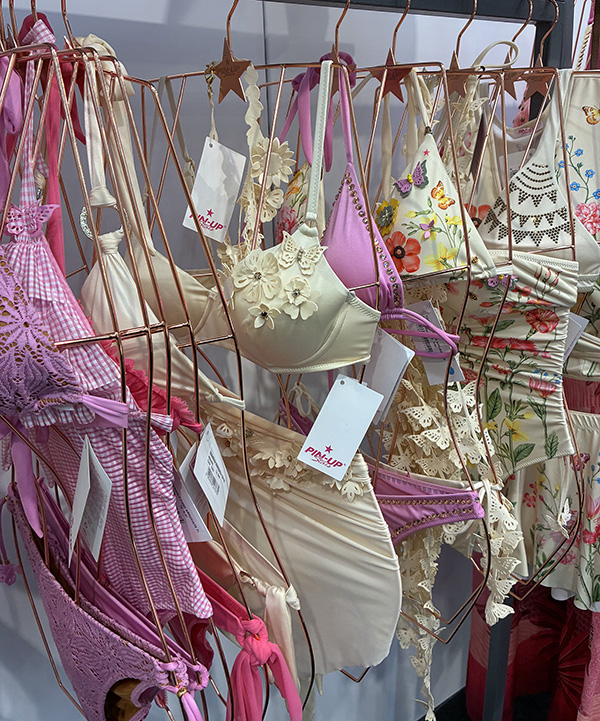
Margherita Mazzei, through her District label founded in 1995, continues to refine the intersection of beachwear and lingerie. Her collections are characterized by a body-conscious aesthetic that utilizes transparency, sophisticated prints, and corsetry-inspired construction. For Mazzei, the swimsuit is a technical garment that must provide support while maintaining a high level of aesthetic refinement. Her use of macramé flowers and intricate detailing reflects a distinctly artisanal approach, where each piece is designed to enhance the wearer’s silhouette.
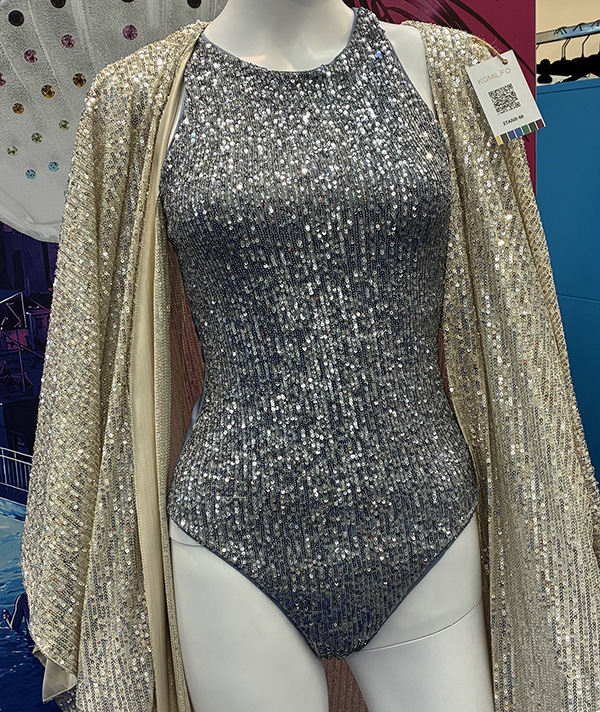
Raffaela D’Angelo: The Couture Influence
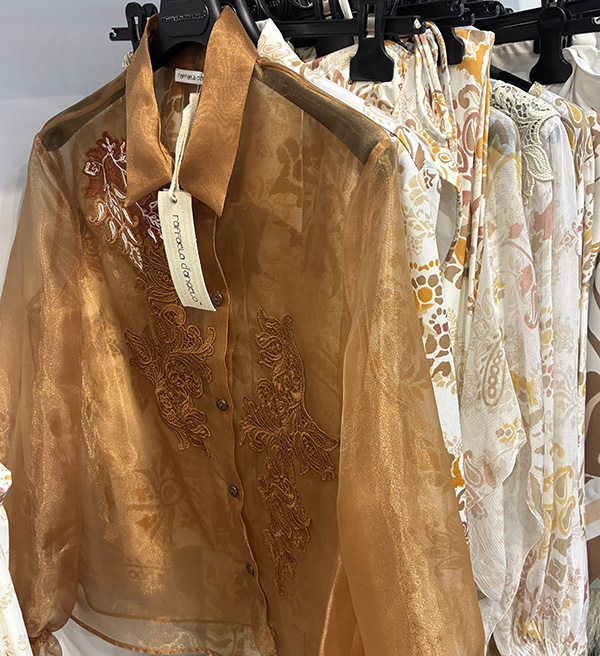
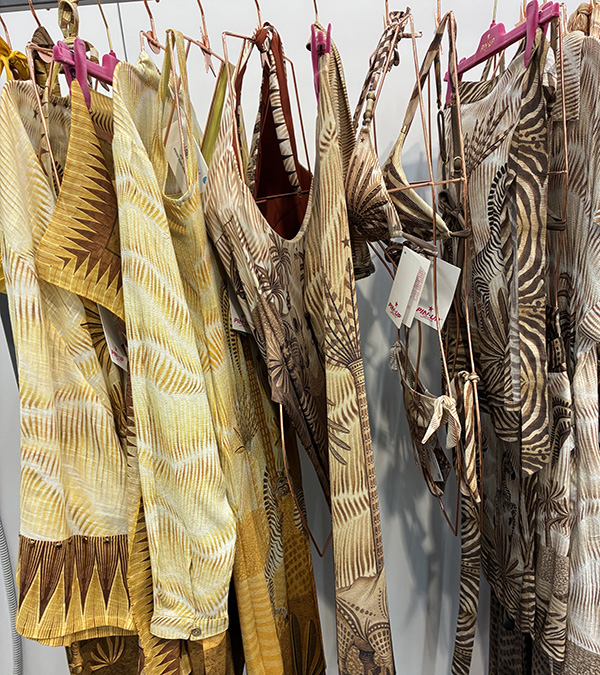
Raffaela D’Angelo represents the more couture-minded segment of the industry. Her Spring/Summer 2027 preview at Maredamare drew inspiration from the natural landscapes and cultural motifs of Bali. D’Angelo’s work is notable for its use of natural fabrics—such as linen and silk—integrated with complex net techniques, 3D floral applications, and extensive embroidery. Her collection extends far beyond the water, featuring fluid jackets, shirts, and skirts that allow for a seamless transition from the shore to high-end social environments.
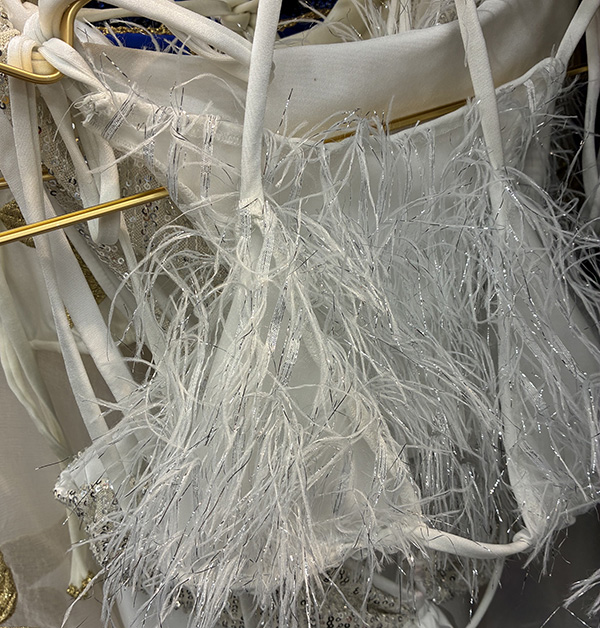
Jerry Tommolini’s Pin-Up Stars: Glamour and Exuberance
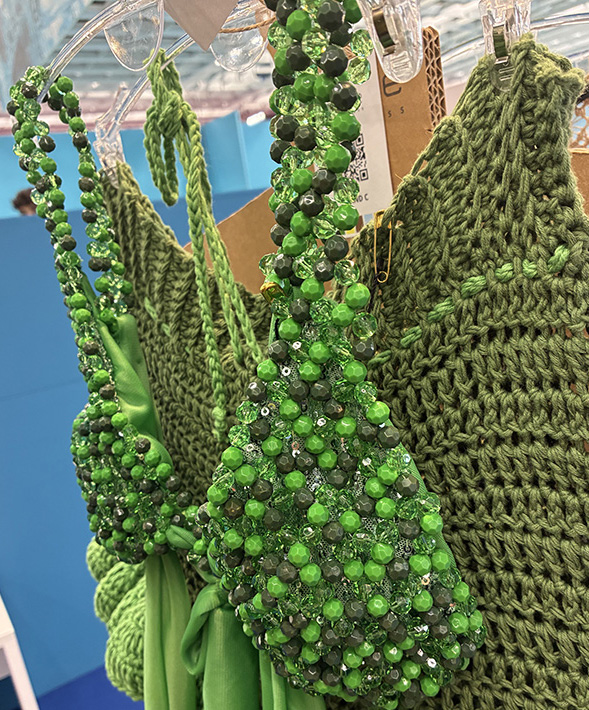
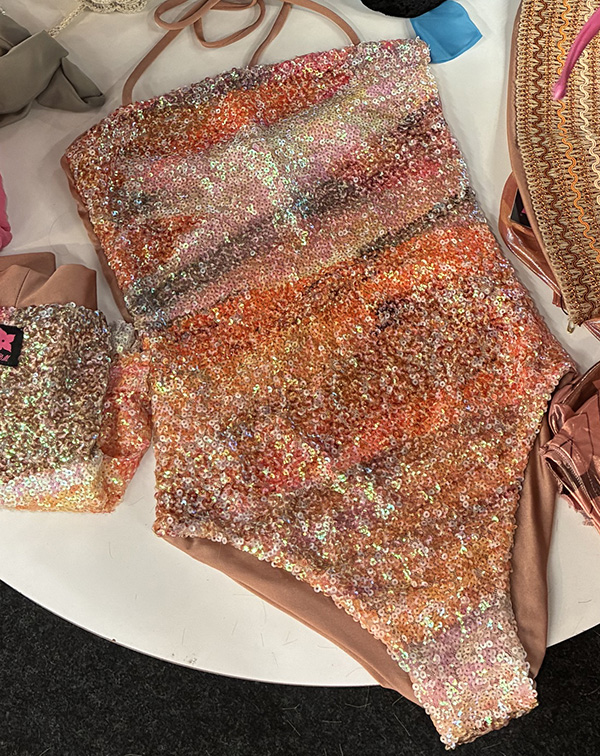
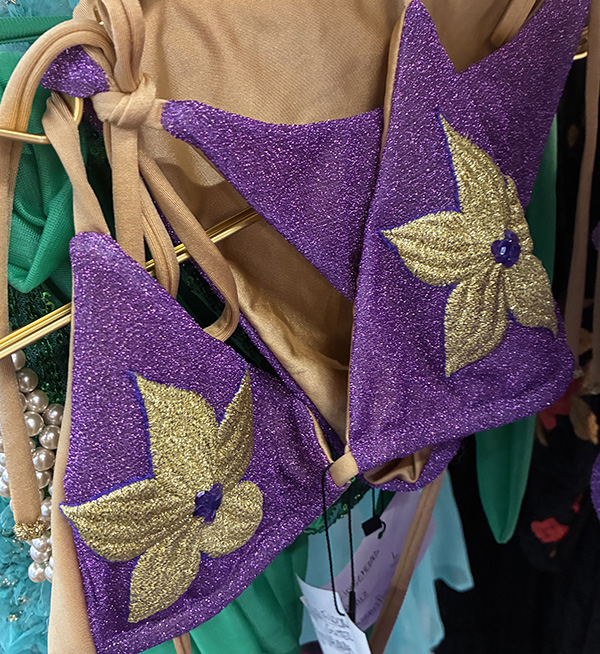
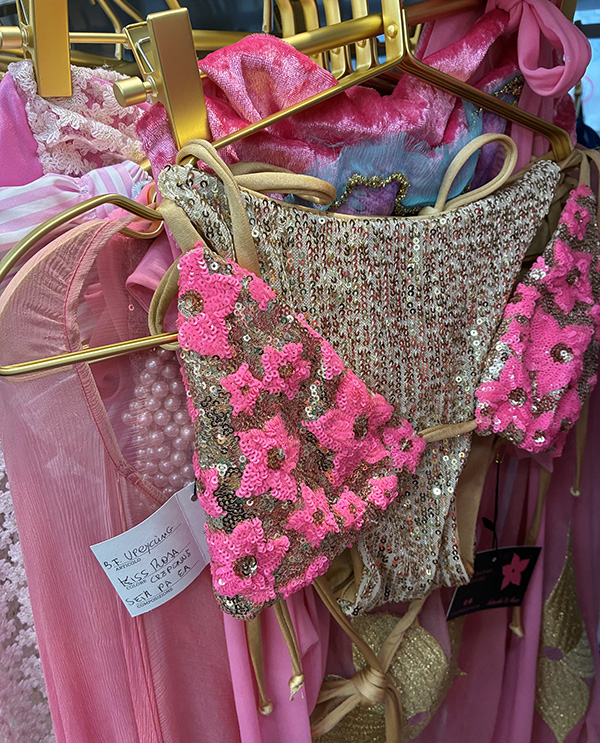
In contrast to the structured approach of Mazzei or the naturalism of D’Angelo, Jerry Tommolini’s Pin-Up Stars embraces a more exuberant and glamorous philosophy. Tommolini’s designs often incorporate sculptural embellishments and jewelry-inspired hardware, elevating beachwear to the level of evening finery. His use of bold colors and resort-specific pieces like embellished kaftans targets a demographic that views beachwear as a central component of a high-visibility social life, whether on a private yacht or at an exclusive resort.
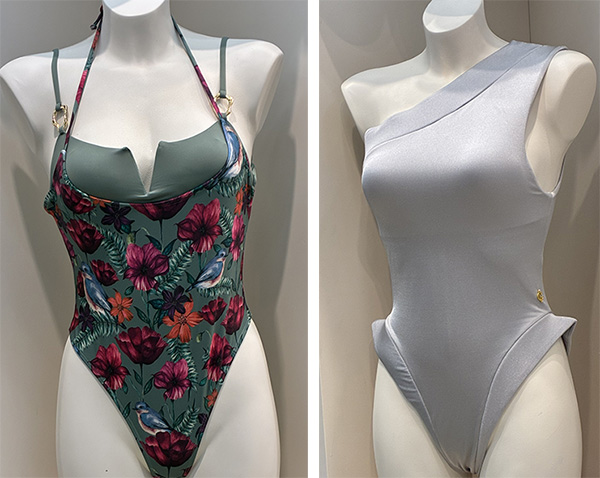
Supporting Brands and the Breadth of Italian Design
While the major labels set the tone, the diversity of the Maredamare show was bolstered by a range of other established and emerging brands, each contributing to the narrative of Italian excellence.
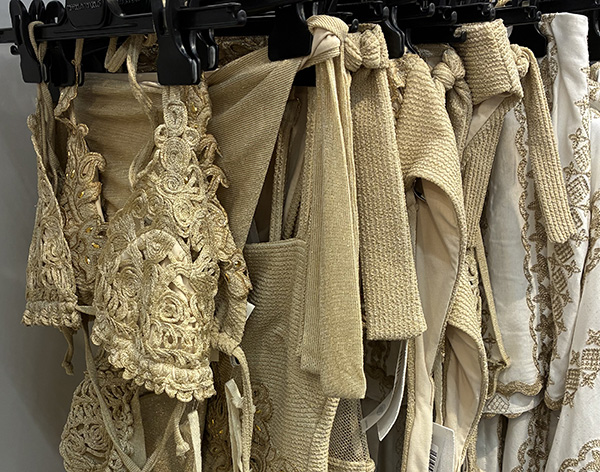
- Antonella Di Muzio: Known for sophisticated, minimalist lines that emphasize fabric quality and timeless silhouettes.
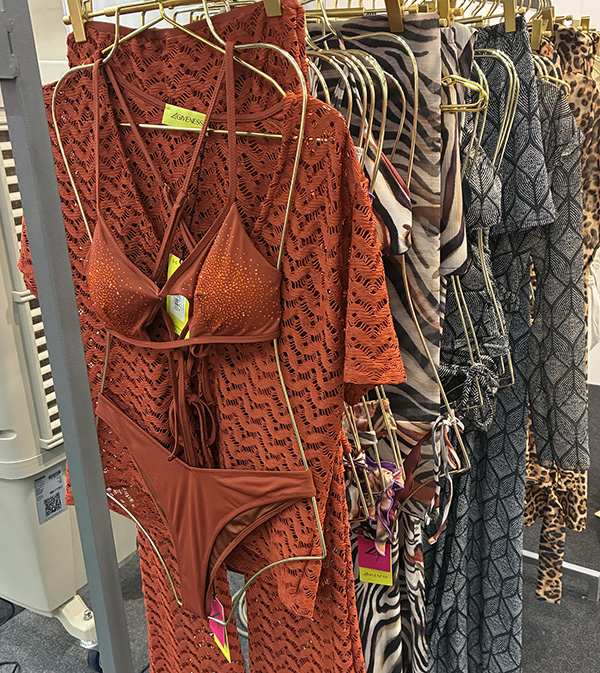
- 4Giveness: A brand that captures a younger, more energetic market through bold prints and contemporary cuts.
- Pierre Mantoux: Bringing nearly a century of textile expertise to the beachwear sector, focusing on elegance and high-performance materials.
- Berné and Foresta: These labels highlight the regional diversity of Italian manufacturing, focusing on local production chains and traditional aesthetics.
- Irene Hat Dress and Cocoraille: Specialized brands that focus on the "total look," providing the accessories and headwear necessary for a complete resort wardrobe.
Analysis of Implications: Individuality as the New Luxury
The recurring theme at Maredamare was the concept that individuality is the ultimate luxury in a globalized fashion market. As digital platforms accelerate the spread of trends, silhouettes can become ubiquitous almost instantly. In this environment, the "Made in Italy" label serves as a safeguard against homogenization.
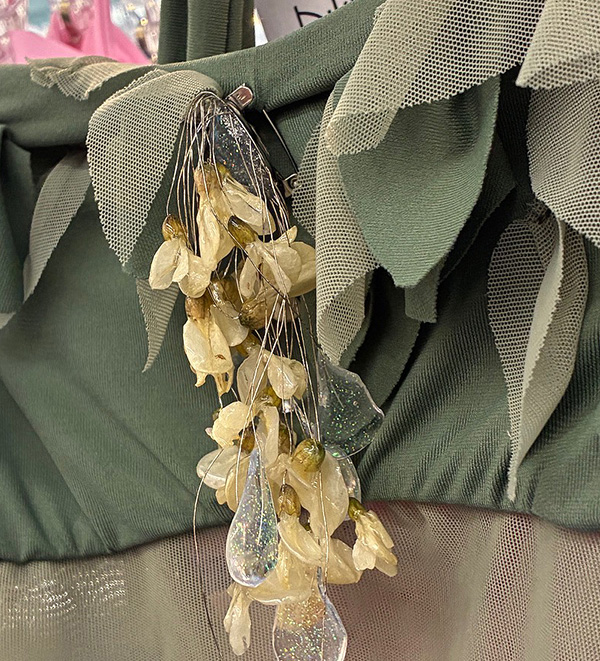
The competitive advantage for Italian designers lies in the "knowledge behind the eye"—the ability to select the specific weight of a fabric, the precise tension of a stitch, and the historical context of a pattern. This artisanal hand is difficult to replicate through mass-production techniques. Industry experts suggest that as consumers become more conscious of sustainability and "slow fashion," the longevity of these well-crafted pieces becomes a primary selling point. A swimsuit that retains its shape, color, and relevance over several seasons is increasingly viewed as a superior investment compared to trend-driven, disposable alternatives.
Broader Impact and Future Outlook
The innovations presented at Maredamare have implications that extend into the broader fashion industry. The techniques developed for high-performance beachwear—such as moisture-wicking properties and UV protection—are increasingly being integrated into mainstream ready-to-wear. Furthermore, the success of the "resortwear" category is prompting traditional apparel brands to expand their summer offerings to include more specialized beach-adjacent clothing.
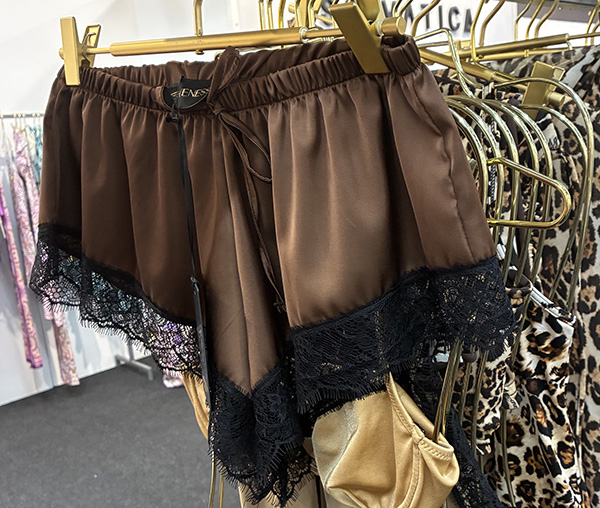
Looking toward 2027, the industry is expected to see a continued emphasis on "quiet luxury" in beachwear, characterized by neutral palettes and exceptional textures, alongside a counter-trend of maximalist, artisanal pieces that celebrate hand-craftsmanship. The integration of technology will also play a role, with smart fabrics and 3D-knitting processes allowing for even greater customization and fit precision.
In conclusion, the Maredamare International Beachwear Show confirmed that the Italian beachwear sector is not merely reacting to global trends but is actively shaping the conversation around modern luxury. By treating the swimsuit as a piece of high fashion and the beach as a venue for sartorial expression, Italian designers continue to define the standards of excellence for the international market. The transition from a seasonal necessity to an enduring fashion statement is complete, solidified by decades of research and an unwavering commitment to the artisanal spirit.
