
 By admin
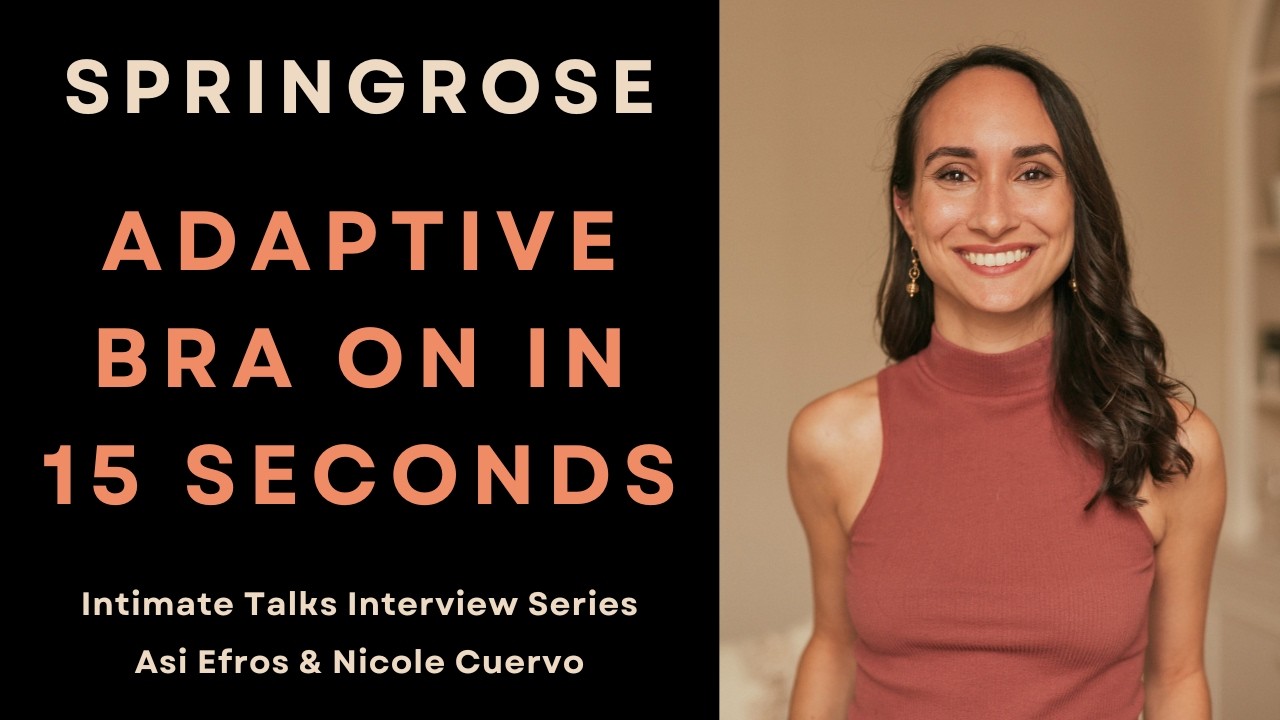
The genesis of Springrose, a pioneering brand in the adaptive intimates sector, serves as a poignant reminder that significant industrial innovation often stems from personal observation and empathy. For Nicole Cuervo, the founder and CEO of Springrose, the realization that the lingerie industry had fundamentally failed a massive demographic occurred during a routine afternoon in Miami. While sharing "merienda"—a traditional Argentine afternoon snack—with her grandmother, Rose, Cuervo noticed a physical manifestation of discomfort that would eventually change the course of her career. As she massaged her grandmother’s shoulders, she felt deep indentations where bra straps had painfully dug into the skin. When questioned, Rose dismissed the pain as an inevitable consequence of aging and arthritis, stating simply, "it’s the way it is." This acceptance of discomfort sparked a mission for Cuervo: to provide her grandmother, and millions like her, with a garment that offered both function and dignity.
The subsequent search for a suitable gift revealed a stark reality in the global apparel market. Despite the multi-billion-dollar valuation of the lingerie industry, options for women with limited mobility or chronic pain were virtually non-existent. The only "adaptive" products available were utilitarian, shapeless white cotton garments produced in a restricted range of sizes. These products ignored the aesthetic and psychological needs of the wearer, treating disability as a clinical problem rather than a human experience. Drawing on her academic and professional background in human-centered design, Cuervo recognized that the solution lay not just in creating a new product, but in reinventing the design process itself.
The Evolution of the Adaptive Apparel Market
To understand the impact of Springrose, one must look at the broader context of the adaptive clothing market. Historically, the fashion industry has overlooked the "purple dollar"—the spending power of people with disabilities. According to data from the World Health Organization and various global disability advocacy groups, approximately 15% of the world’s population lives with some form of disability. In the United States alone, the Centers for Disease Control and Prevention (CDC) reports that one in four adults has a disability that impacts major life activities.
The adaptive clothing market is currently experiencing a significant shift. Market analysts project the global adaptive apparel market to reach nearly $400 billion by 2026, driven by an aging global population and a growing demand for inclusive design. Springrose entered this landscape in 2020, following five years of research and development that began in 2015. The brand was named in honor of Rose, symbolizing both the season of renewal and the flower that inspired the journey.
A Methodology of Radical Inclusion: Listening First
The development of the Springrose flagship product was characterized by what Cuervo calls a "listening first" approach. Before a single sketch was finalized, Cuervo conducted exhaustive qualitative and quantitative research. This included interviews and surveys with hundreds of women living with diverse physical challenges, as well as consultations with occupational and physical therapists who witness the daily struggles of dressing firsthand.
The research yielded data-driven insights that challenged traditional bra construction. For instance, out of the first 60 women interviewed, 58 expressed a profound dislike for underwire, citing it as a primary source of pain and a barrier to independent dressing. Furthermore, 75% of participants requested adjustment mechanisms located at the front of the garment, as reaching behind the back is a physical impossibility for many individuals with arthritis, frozen shoulder, or neurological conditions.
Cuervo’s research also debunked the myth that adaptive wear needs to be highly specialized for every individual condition. Instead, she found that while aesthetic preferences varied—such as the choice between lace and smooth fabrics—the functional requirements for a "perfect" bra were remarkably consistent across different mobility challenges. This allowed Springrose to focus on a universal design that caters to a wide spectrum of needs without sacrificing style.
The Technical Journey: Three Years of Prototyping
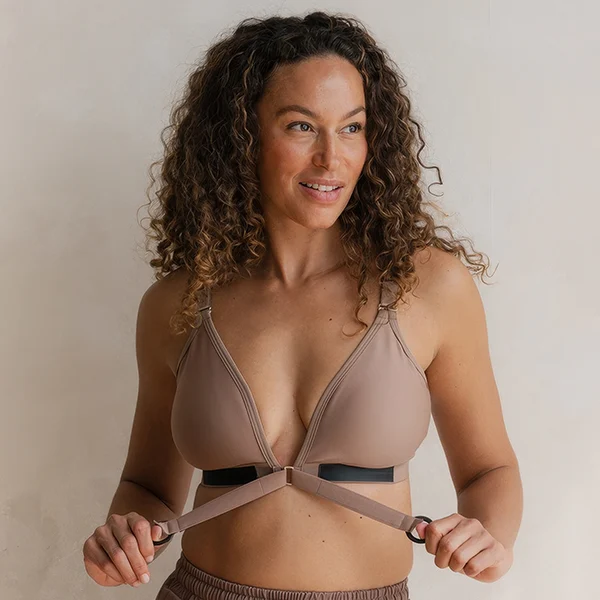
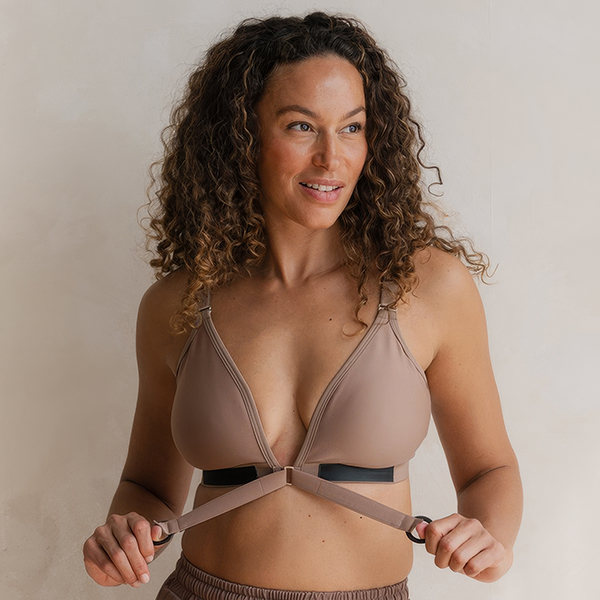
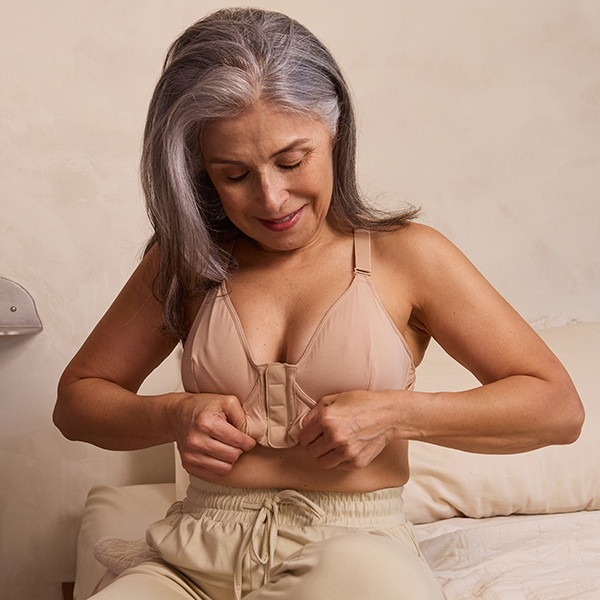
The transition from a conceptual design to a market-ready product was a rigorous three-year process. Cuervo maintained a commitment to innovation over speed, resulting in over 20 rounds of prototypes. The final design of the Springrose bra is a feat of ergonomic engineering; it can be donned in eight different ways, accommodating various physical limitations, and can be secured in under 15 seconds.
The technical challenges were multifaceted. Cuervo noted that finding components that were both highly functional and aesthetically pleasing was a significant hurdle. Standard industrial fasteners were often too bulky or visually unappealing for an intimate garment. One of the most difficult components to source was the "gripping ring," an optional attachment designed for users with limited grip strength. It took 17 iterations from various suppliers to find a ring that met the brand’s standards for durability, ease of use, and visual integration.
Further refinements were made based on real-world testing. During a fitting with a woman experiencing tremors, Cuervo observed that a standard blunt Velcro tip was difficult to thread through a slider. In response, the design was updated with a pointed tip to facilitate easier alignment. Similarly, when clinicians pointed out that clear silicone sliders were difficult for users with low vision to see, the brand transitioned to high-contrast materials. Even the inclusion of racerback straps across all styles was a response to feedback from women with sloped shoulders who struggled with slipping straps.
Clinical Validation and Social Impact
Springrose now serves a customer base living with more than 50 different medical conditions. These range from chronic issues like arthritis and fibromyalgia to temporary recovery needs following mastectomies or shoulder surgeries. The brand has also seen an uptick in demand from individuals dealing with the long-term effects of "long COVID," which can include extreme fatigue and joint pain.
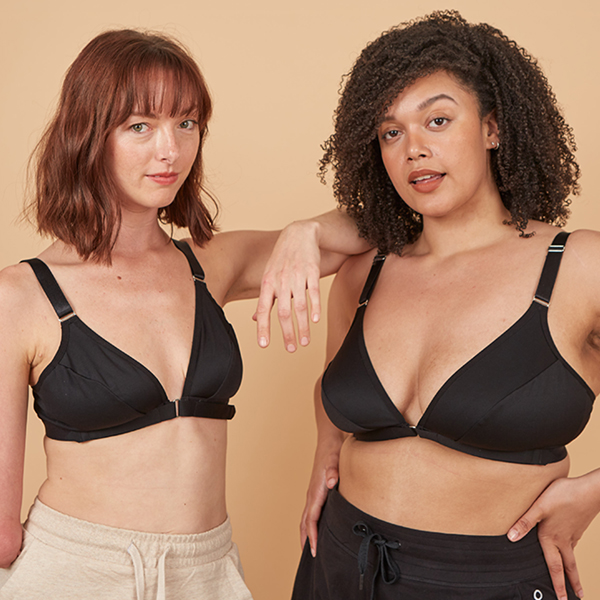
The impact of these design choices extends beyond physical comfort; it touches on the fundamental human need for independence. Cuervo recalls a specific testimonial from a customer who shared that she no longer spends her mornings in tears. Prior to purchasing a Springrose bra, the woman had to rely on her adult son to help her dress each day—a situation that felt like a loss of personal dignity. By regaining the ability to dress herself, she regained a sense of agency over her life.
Occupational therapists have praised the brand for reducing the "energy tax" associated with activities of daily living. For individuals with limited energy reserves, the physical exertion required to put on a traditional bra can be exhausting. By simplifying this process, Springrose allows users to preserve their energy for other tasks, effectively improving their overall quality of life.
Chronology of Springrose Development
- Summer 2015: Nicole Cuervo observes her grandmother’s struggle with traditional bras; the initial concept for an adaptive brand is born.
- 2015–2019: Intensive research phase involving hundreds of interviews with users and medical professionals.
- 2020: Springrose is officially founded and launched, entering the market with its flagship adaptive bra.
- 2021–2023: Iterative design updates based on continuous user feedback, including the introduction of pointed Velcro tips and high-contrast components.
- 2024: Expansion into physical retail through partnerships with lingerie boutiques across the United States.
- Late 2024: International expansion begins with a trial launch in the Australian market.
- Early 2027 (Projected): Launch of the Springrose adaptive sports bra collection.
- 2028 (Projected): Expansion into adaptive swimwear, completing the brand’s "skin-contact" product line.
Future Outlook and Industry Implications
As Springrose looks toward the future, its roadmap includes significant category expansion and increased accessibility. The brand is currently preparing for a trial launch in Australia, marking its first major step into the international market. Domestically, Springrose is moving beyond the direct-to-consumer model by partnering with independent lingerie boutiques. This expansion into physical retail is crucial, as it allows customers to experience the fabric and functionality in person—a vital component for a product where tactile feedback is paramount.

The upcoming product pipeline is equally ambitious. Recognizing that active lifestyles should be accessible to everyone, Springrose plans to debut an adaptive sports bra in early 2027. This will be followed by a swim collection in 2028. Cuervo’s goal is to ensure that every layer of clothing that touches the skin is designed with the principles of adaptive ease and aesthetic respect.
The success of Springrose serves as a case study for the broader fashion industry. It demonstrates that inclusive design is not merely a niche market or a charitable endeavor, but a viable and necessary business strategy. By prioritizing the needs of the most marginalized users, brands can create products that are ultimately better for everyone. As the industry moves toward a more inclusive future, the story of Rose and the brand she inspired remains a testament to the power of human-centered innovation. Springrose continues to advocate for a world where getting dressed is a source of empowerment rather than a source of pain.
