
 By admin
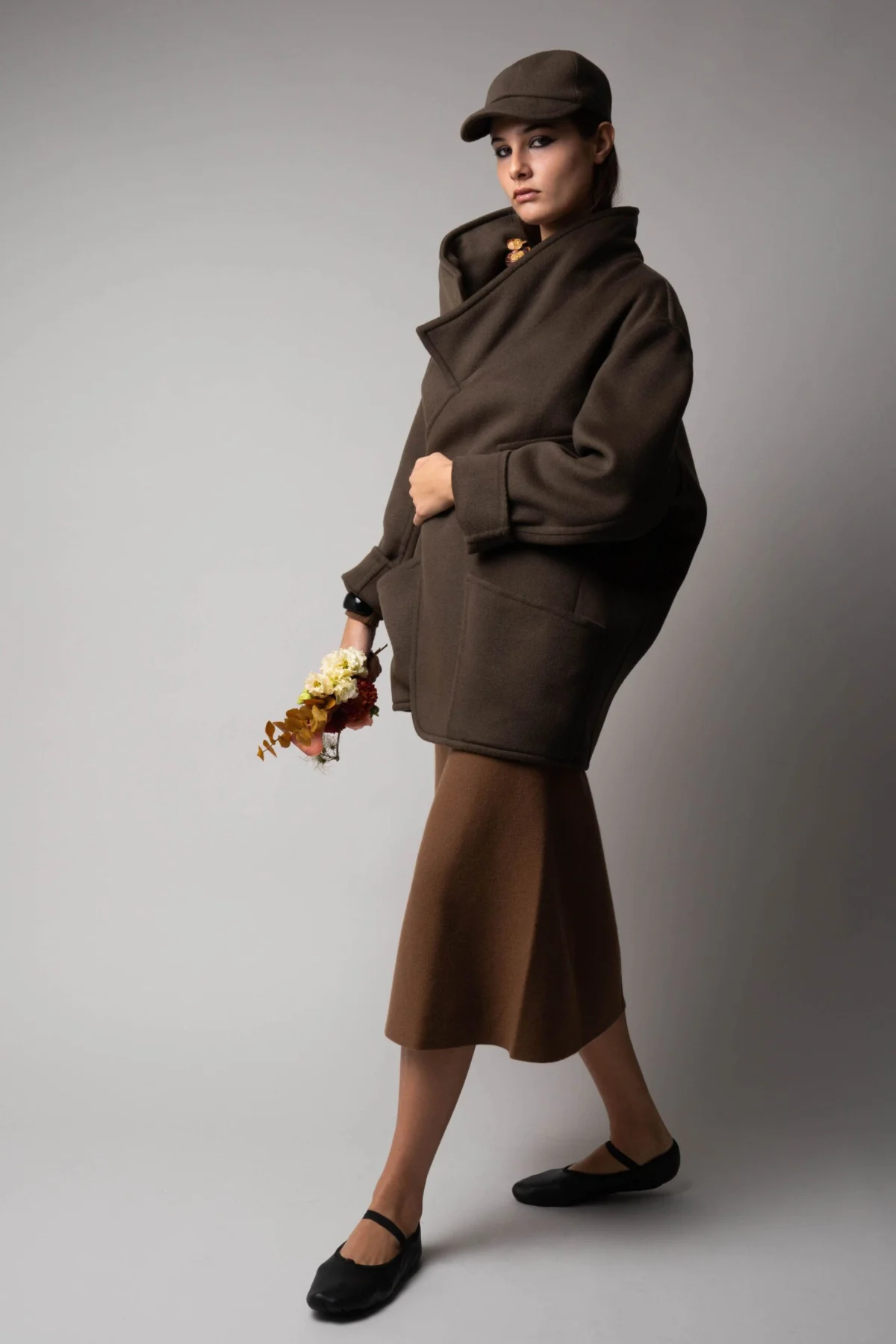
Paris, France – In a strategic evolution of her eponymous label, designer Julie de Libran, long celebrated for her exquisite couture presentations, is making significant inroads into the ready-to-wear (RTW) market. Operating from her intimate, appointment-only boutique on Paris’s Left Bank, de Libran has been meticulously cultivating a comprehensive RTW business that extends beyond her signature leather envelope clutches and bespoke jewelry, positioning her brand at the intersection of high fashion and practical luxury. This deliberate expansion reflects a growing industry trend where the lines between exclusive couture and accessible, everyday luxury are increasingly blurred, catering to a discerning clientele seeking both timeless elegance and effortless functionality.
A Designer’s Journey: From Couture Acclaim to Ready-to-Wear Vision
Julie de Libran’s journey in the fashion world is marked by a distinguished career at some of the industry’s most prestigious houses. Before establishing her independent label, de Libran held pivotal creative roles, notably as the Artistic Director of Sonia Rykiel and earlier, as a key figure in the design studio under Marc Jacobs at Louis Vuitton. These experiences instilled in her a profound understanding of sartorial excellence and the intricate demands of luxury production. While her initial independent ventures often aligned with the haute couture calendar, signaling her commitment to artisanal craftsmanship and bespoke creations, the quiet, yet consistent, growth of her ready-to-wear line underscores a pragmatic vision for the modern luxury consumer. Her "jewel-box of a boutique" serves not just as a showroom but as a personal atelier, fostering direct engagement with clients—a testament to her philosophy of personalized service that harks back to the golden age of couture while embracing contemporary retail dynamics.
The transition and scaling up of her ready-to-wear operations are not merely an opportunistic move but a calculated response to evolving consumer preferences. In a market saturated with fast fashion and fleeting trends, de Libran offers an antidote: garments designed for longevity, versatility, and an inherent sense of personal style. Her approach resonates with a demographic that values quality over quantity, investing in pieces that can adapt to various occasions and endure beyond a single season. This shift is particularly pertinent in the current luxury landscape, where sustainability and mindful consumption are gaining paramount importance.
The Philosophy of Effortless Style: Blending French Elegance with American Practicality
De Libran’s recent collection, showcased during an exclusive visit to her Parisian salon, exemplifies her refined approach to ready-to-wear. The concise edit, curated specifically for what she terms "travel-ready options," speaks volumes about her understanding of the contemporary woman’s lifestyle. Highlights include separates crafted from innovative, impossible-to-wrinkle fabrics, such as hammered silk sourced from a venerable fabric maker in Lyon, presented in vibrant marigold or serene blue. These pieces are designed for seamless integration into a dynamic wardrobe, offering sophisticated solutions for busy schedules and frequent travel. Other notable inclusions are a precisely fitted pantsuit in rich chocolate corduroy and a tailored ensemble in a crinkled summer wool check, impeccably finished with silk lining, demonstrating a commitment to comfort without compromising on elegance.
A central tenet of de Libran’s design philosophy, particularly evident in her ready-to-wear, is the emphasis on "utilitarian" clothing. Recalling her formative years with Marc Jacobs at Louis Vuitton, she articulates the profound influence he had on her understanding of functional design. "He taught me why a uniform is so important—something you reach for because it makes you feel good, you know it fits properly, and you never have to overthink it," she explained, while presenting a finely crafted caramel-colored sweater and skirt set. This perspective, which she attributes to her "American side," champions the practical aspects of dressing: comfort, perfect fit, and ease of decision-making. It aligns with the growing desire among luxury consumers for garments that simplify their lives rather than complicate them.
This utilitarian sensibility is expertly balanced with what de Libran identifies as her "French side," a natural inclination towards elegance and effortless chic. This duality manifests in pieces that combine practical design with a touch of sophisticated allure. Examples include a delicate halter blouse paired with a lace-trimmed black skirt, offering a refined evening option, or versatile separates like a crisp white denim gilet, a classic safari jacket, and trousers in dark wash or pristine white Supima denim. These garments are designed to be mixed and matched, allowing for diverse styling possibilities that transition effortlessly from day to night, casual to formal, embodying the quintessence of Parisian chic. The integration of high-quality denim, a staple of everyday wear, into her luxury collection further illustrates her commitment to bridging the gap between high fashion and practical utility.
The Signature Statement: Coats as a Core Identity
Where Julie de Libran has truly carved a distinctive niche and established a strong brand identity within her ready-to-wear offering is with her outerwear. Coats have become a hallmark of her collections, each piece reflecting a meticulous attention to detail, innovative material sourcing, and a blend of classic silhouettes with contemporary twists. This season’s collection features an array of standout coats, demonstrating her versatility and creative vision.
Among the key pieces is a spare, single-breasted car coat, meticulously crafted from anthracite double-faced cashmere. This luxurious material was notably "scored" from Nona Source Paris, an innovative online resale platform for high-end deadstock fabrics established by LVMH. De Libran’s utilization of Nona Source not only ensures access to premium materials that might otherwise go to waste but also underscores a commitment to more sustainable practices within the luxury sector. This responsible sourcing aligns with a broader industry movement towards reducing environmental impact and promoting circularity.
Further showcasing her inventive approach, de Libran has reinterpreted the classic pea coat, rendering it in dark denim and incorporating a leftover swath of couture jacquard. This jacquard, featuring a stylized floral motif in rich, satiny shades of burgundy and forest green, elevates the utilitarian denim with an unexpected touch of haute couture artistry. Such hybrid pieces are a significant feature of her spring collection, exemplifying her ability to blend disparate textures and influences into cohesive, striking garments.
A prime example of this hybrid philosophy is a beige bonded cotton coat adorned with couture sleeves in a striking camo print, subtly shot through with bronze lamé. Engineered for maximum versatility, this coat is reversible, revealing a sophisticated khaki on its other side. This innovative design allows for multiple styling options within a single garment, appealing to the modern traveler and the discerning consumer who values adaptability in their wardrobe.
Beyond these seasonal innovations, de Libran maintains a selection of highly successful carry-over pieces, notably a cashmere coat with a distinctive drop collar. Available in timeless shades of black, coffee, or moss green, this coat embodies supreme versatility. It can be elegantly belted over an evening dress for a sophisticated look or worn loosely over jeans for a more casual, yet refined, ensemble. Its practical design extends to its utility during travel; with the recent establishment of her office in New York, de Libran herself frequently uses it as a luxurious blanket on her increasingly common transatlantic trips.
Strategic Expansion and Global Outlook
The establishment of a New York office signifies a pivotal moment in Julie de Libran’s brand development. This strategic expansion is a clear indication of her ambition to broaden her reach beyond her established Parisian clientele and tap into the robust North American luxury market. New York, as a global fashion capital and a hub for luxury consumption, offers unparalleled opportunities for growth, brand visibility, and direct engagement with a diverse international audience. This move is particularly relevant given the emphasis on "travel-ready" options, as it directly addresses the needs of a global, mobile clientele.
De Libran’s personal experience with her own designs, such as using her cashmere coat as a travel blanket, underscores the deeply personal and functional aspect of her collection. "I love the styling part," the designer remarked, reflecting on the versatility embedded in her creations. "Everything I have folds and travels so well my sister calls me Mary Poppins. I love that it’s not about a destination, it’s about how you feel." This sentiment encapsulates the core appeal of her ready-to-wear line: it is not merely about fashion as a superficial adornment but as a tool for personal empowerment, comfort, and self-expression, irrespective of the setting.
Implications and Industry Impact
Julie de Libran’s strategic pivot and expansion into comprehensive ready-to-wear offerings hold several significant implications for the broader luxury fashion industry. Firstly, it highlights the increasing demand for "quiet luxury" and investment pieces that prioritize quality, comfort, and timelessness over ostentatious branding or fleeting trends. Consumers are becoming more discerning, seeking garments that offer enduring value and seamless integration into their daily lives.
Secondly, her approach demonstrates a viable model for independent designers seeking to thrive in a competitive market dominated by large luxury conglomerates. By leveraging her couture background to inform her ready-to-wear, de Libran offers a unique proposition: the artisanal quality and attention to detail typically associated with haute couture, translated into practical, yet luxurious, everyday wear. The appointment-only boutique model, combined with an expanding global presence, allows for personalized client relationships while maintaining exclusivity and brand integrity.
Thirdly, her conscious sourcing practices, such as utilizing Nona Source Paris for deadstock fabrics, align with the growing imperative for sustainability within the fashion industry. This not only appeals to environmentally conscious consumers but also sets a precedent for how luxury brands can responsibly manage resources and reduce waste without compromising on aesthetic or quality.
In conclusion, Julie de Libran is not just growing a business; she is meticulously crafting a lifestyle. Her ready-to-wear collection, characterized by its intelligent design, versatile functionality, and impeccable craftsmanship, positions her as a formidable force in the luxury market. By expertly blending the refined sensibilities of French elegance with the pragmatic demands of modern living, she offers a compelling vision for contemporary luxury, proving that true style is indeed about how one feels, regardless of the destination. As her brand continues to evolve and expand its global footprint, de Libran stands as a testament to the enduring appeal of thoughtful design and timeless sophistication.
