
 By admin
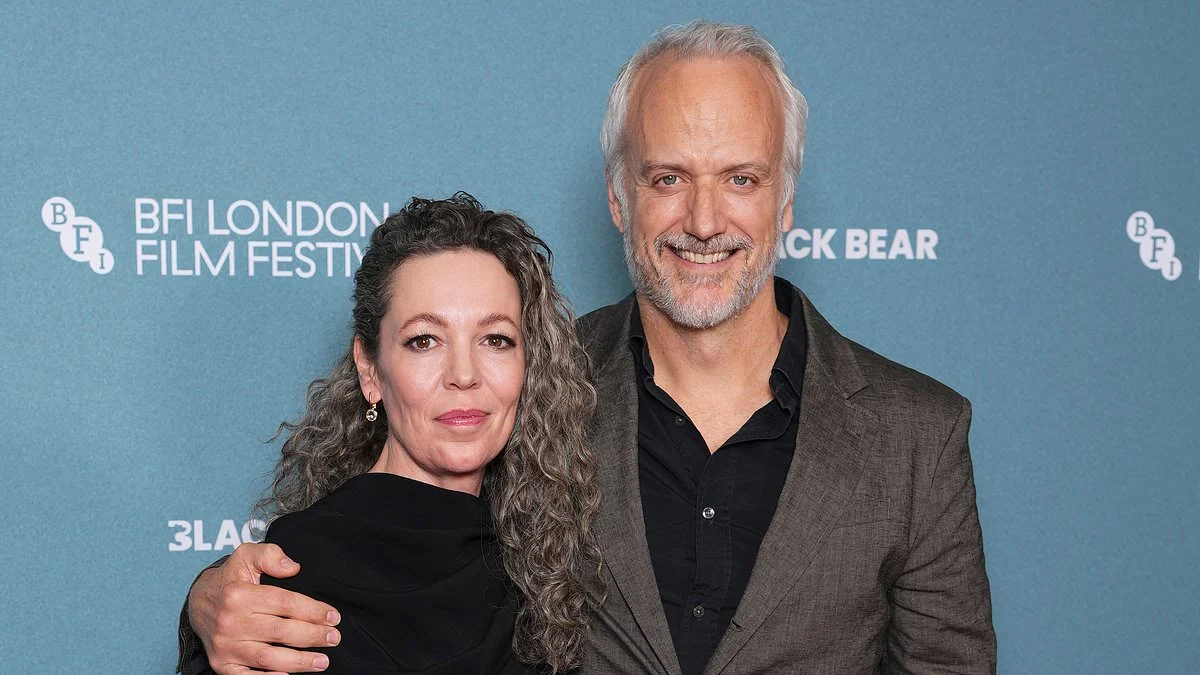
The BFI Southbank served as the backdrop for a significant cinematic milestone on Thursday evening as Academy Award winner Olivia Colman led the red carpet arrivals for the London Film Festival premiere of her latest project, Wicker. The event, which drew international media attention, was marked not only by the debut of a highly anticipated and unconventional film but also by a striking evolution in Colman’s public image. The 52-year-old actress, celebrated for her versatility and grounded persona, showcased a sophisticated new aesthetic, trading her signature brunette pixie cut for natural grey locks and soft curls.
Dressed in an elegant, floor-length Celine gown featuring a structured cape detail, Colman was accompanied by her husband of 23 years, producer and writer Ed Sinclair. The couple’s appearance provided a moment of traditional red-carpet glamour, contrasting sharply with the avant-garde fashion choices of Colman’s co-stars and the surrealist nature of the film they were gathered to celebrate. The premiere marks a pivotal moment in the promotional cycle for Wicker, a film that has already generated significant discourse within the industry for its daring narrative and genre-bending execution.
The Aesthetic Shift and Red Carpet Fashion
Colman’s decision to embrace her natural hair color on the red carpet has been met with widespread praise from fashion critics and fans alike, viewed as a refreshing departure from the rigid beauty standards often imposed upon leading women in Hollywood. The silver-toned curls paired with the minimalist silhouette of her Celine ensemble signaled a new chapter for the actress, who has recently completed filming for several high-profile projects.
While Colman opted for classic sophistication, her co-star Alexander Skarsgard, 50, took a more provocative approach to red-carpet dressing. Skarsgard, who portrays the titular wicker man, arrived in a shimmering gold suit from Saint Laurent’s Spring/Summer 2027 collection. The ensemble was completed with transparent footwear, a choice that immediately became a talking point on social media. The actor’s bold sartorial choice reflected the unconventional spirit of the film, which blends elements of folk horror, romance, and absurdist comedy.
Joining them was Elizabeth Debicki, 36, whose presence at the premiere followed her recent critical success in the final seasons of The Crown. Debicki maintained her reputation as a fashion icon in a plunging, glitzy black suit that balanced modern tailoring with high-glamour textures. The collective star power on the carpet underscored the industry’s high expectations for Wicker, which is being positioned as a major contender in the upcoming awards season.
Narrative Overview: A Departure from the Ordinary
Wicker is based on the short story "The Wicker Husband" by Ursula Wills. The film’s premise has been described by critics as "vulgar, horny, yet unexpectedly heartwarming," a combination that has left audiences both intrigued and perplexed. The story centers on Colman’s character, a lonely fisherwoman living on the fringes of a judgmental village. Her isolation is compounded by a physical affliction: a persistent and overwhelming odor of fish that prevents her from forming traditional romantic connections.
Driven by a desperate need for companionship, she enlists the services of the local basket weaver—portrayed by Peter Dinklage—to construct a husband for her out of wicker. In a turn toward the magical-realist, the wicker creation (Skarsgard) comes to life. The film then explores the repercussions of this union, as the "Wicker Man" proves to be more alluring and capable of affection than the human men of the village. This development sparks a wave of jealousy among the local women and a sense of profound insecurity among the men, threatening the established social order of the community.
The supporting cast features a robust lineup of British and international talent, including Phil Daniels, Richard E. Grant, and Elizabeth Debicki. Each plays a role in the village’s collective reaction to the protagonist’s unconventional marriage, serving as a microcosm for societal prejudice and the fear of the "other."
Critical Reception and Industry Impact
Wicker arrives in London with significant momentum, having debuted earlier this year at the Sundance Film Festival. On the review aggregator site Rotten Tomatoes, the film currently maintains a "fresh" rating of 91%, based on initial critical assessments. Reviewers have praised the film for its "fearless" performances, particularly Colman’s willingness to lean into the more grotesque and vulnerable aspects of her character.
Industry analysts suggest that Wicker represents a growing trend in cinema where established A-list actors seek out "elevated genre" projects that defy traditional categorization. Similar to the success of Yorgos Lanthimos’s The Favourite—for which Colman won her Oscar—or Guillermo del Toro’s The Shape of Water, Wicker utilizes a bizarre, fantastical premise to explore deeply human themes of loneliness, desire, and the search for identity.
The trailer for the film, released in July, sparked immediate viral interest. Viewers were particularly struck by the graphic nature of the intimate scenes between Colman and Skarsgard’s character. During the premiere, Colman addressed the unique challenges of the role, noting that while she has participated in "regency bonkbusters" in the past, the physical and emotional requirements of Wicker were unlike anything she had previously encountered. She has reportedly ranked the script among the top three she has ever read in her career.
Statements from the Cast and Creative Team
During the festival’s press junket, the cast offered insights into the film’s complex themes. Elizabeth Debicki, who plays the Tailor’s Wife, described her character as a woman "deeply unhappy" who only realizes the extent of her dissatisfaction when she witnesses the fisherwoman’s bold choice. "She sees this stinky, beautiful fisherwoman make a choice that completely unravels the path my character thought she was supposed to follow," Debicki noted.
Peter Dinklage, whose character acts as the catalyst for the story’s central conceit, highlighted the bond between the outsiders. "The basketmaker is also an outsider," Dinklage explained. "He has an affection for the fisherwoman. I don’t think he even smells the stink; he sees the person beneath the surface."
This sentiment of looking beyond physical or societal "defects" is a central pillar of the narrative. The film’s director has emphasized that while the concept of a wicker husband is surreal, the emotions driving the characters are grounded in reality. The jealousy exhibited by the villagers serves as a critique of conformity and the bitterness that can arise when an individual finds happiness outside of traditional norms.
Chronology of Production and Release
The journey of Wicker from page to screen has been several years in the making. The project was first announced as a high-priority acquisition, with Colman and Dinklage attached early in the development phase. Filming took place in various coastal locations, utilizing practical effects to bring the wicker husband to life before enhancing the performance with Skarsgard’s physical presence.
Following its successful run at Sundance in January, the film underwent a strategic festival circuit tour to build word-of-mouth anticipation. The London Film Festival premiere serves as the final major stop before the film’s general release.
Audiences in the United States will be able to view the film starting October 23, while the United Kingdom release is scheduled for October 30. The late October release date is seen as a strategic move, aligning the film’s folk-horror aesthetic with the Halloween season while positioning it perfectly for the start of the year-end awards campaigning.
Broader Implications for the Film Industry
The success and buzz surrounding Wicker point to a healthy appetite for original storytelling in an era often dominated by franchises and sequels. By blending high-concept fantasy with prestigious acting talent, the production demonstrates that "weird" cinema can still command significant market attention and critical respect.
Furthermore, Olivia Colman’s continued dominance in the industry—moving seamlessly from period dramas like The Crown to experimental projects like Wicker—solidifies her status as one of the most versatile performers of her generation. Her choice to use the London Film Festival as a platform to debut a more natural personal look also contributes to a broader cultural conversation about aging in the public eye, suggesting that authenticity and talent are becoming the primary currencies of long-term stardom.
As the London Film Festival continues, Wicker remains one of the most talked-about entries, with the "fishy" romance poised to leave a lasting impression on the cinematic landscape of 2024. Whether the film’s "vulgar and horny" elements will alienate mainstream audiences or draw them in through sheer curiosity remains to be seen, but the initial response suggests that Olivia Colman has once again chosen a project that will be discussed for years to come.
